No items found.
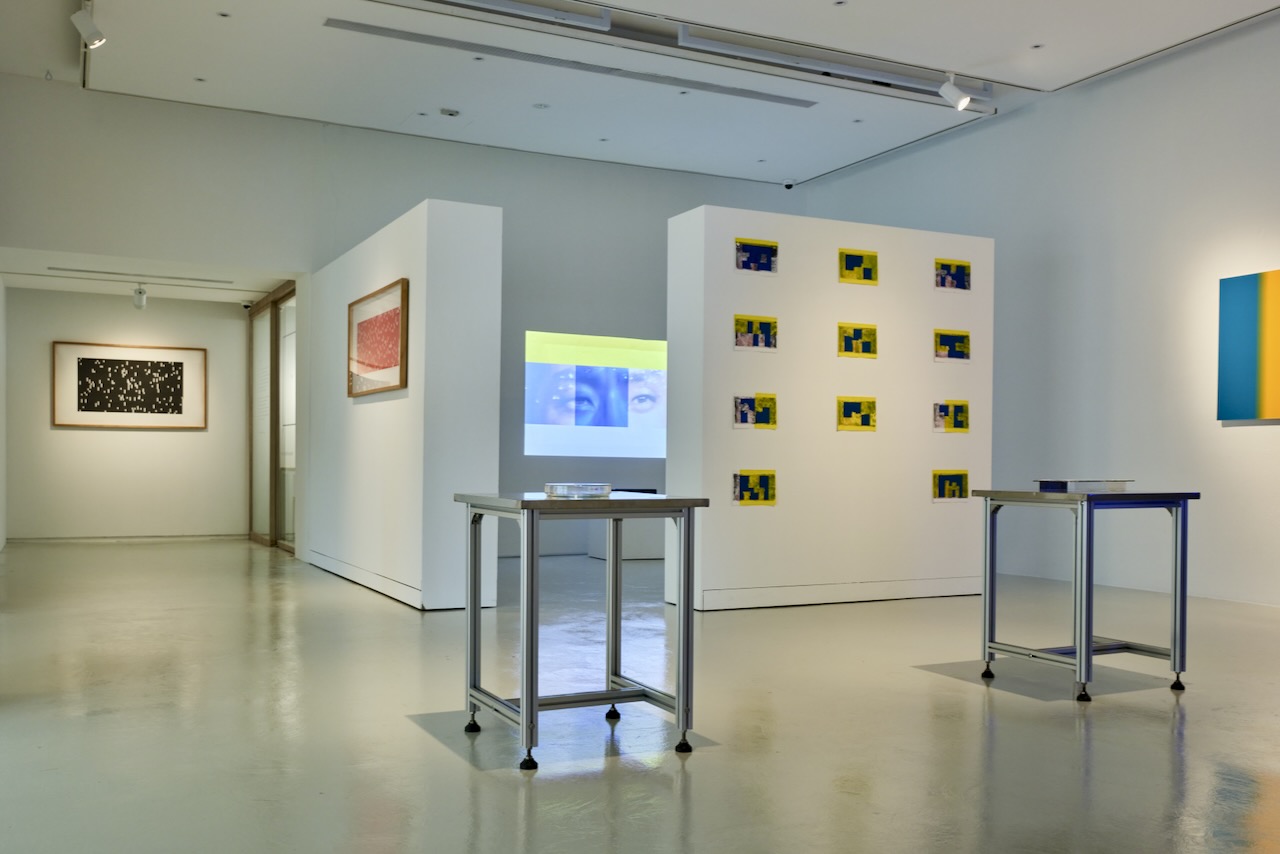
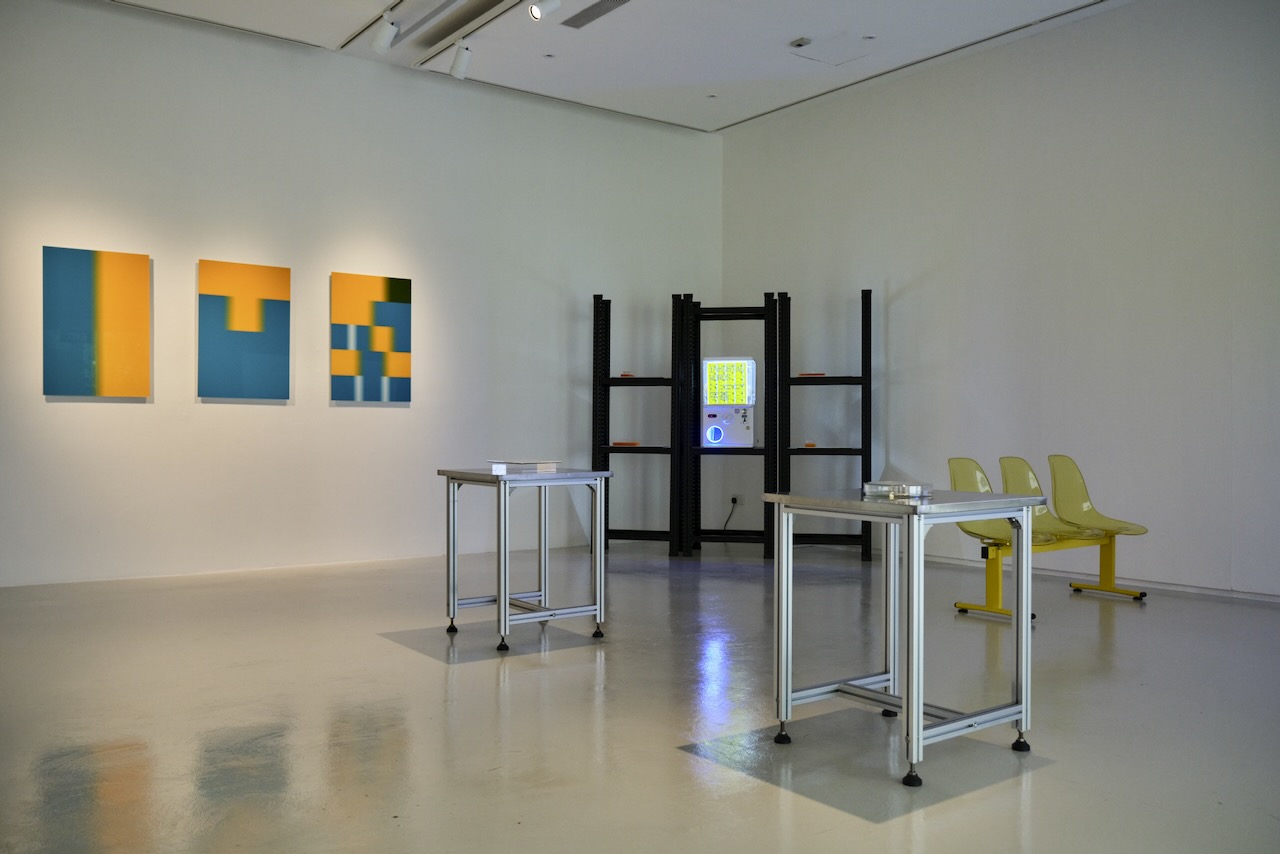
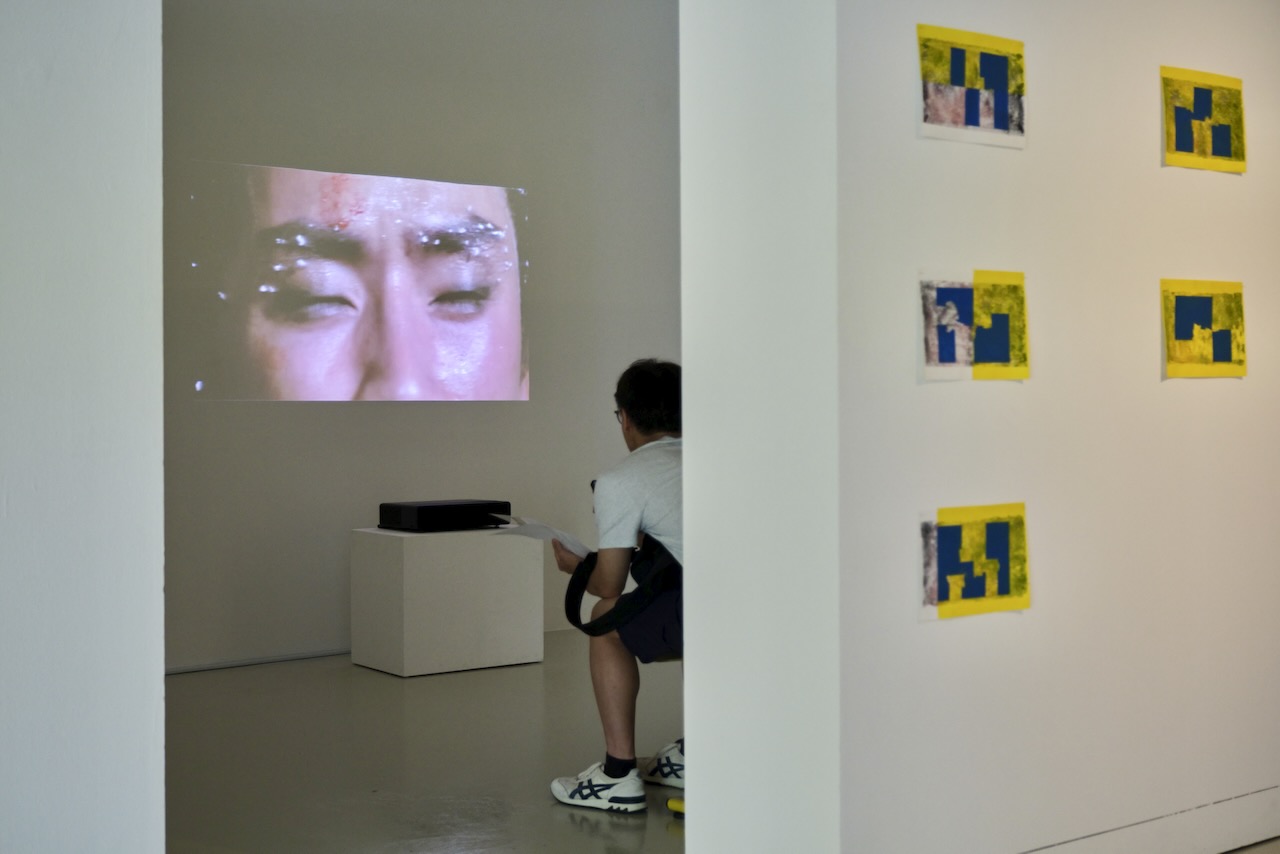
Peach Blossom Society :: 这里没有桃花 (“there are no peach blossoms here”) maps a promise and its collapse as a system: how states shift and become otherwise. Operating across landscape, literature and legend, the title marks a space where meaning is fluid.
Peach Blossom shifts between two cosmologies: the utopia in Taohuayuanji (“Peach Blossom Spring”), entered by chance and irretrievable once left, and Taohua Dao (“Peach Blossom Island”) in the Zhoushan Archipelago, named not for living blooms but for fossil traces. Recast in Jin Yong’s wuxia, the island becomes double-coded: a paradise that is at once an impenetrable labyrinth. Across these systems, Peach Blossom oscillates between utopia and exclusion, promise and enclosure.
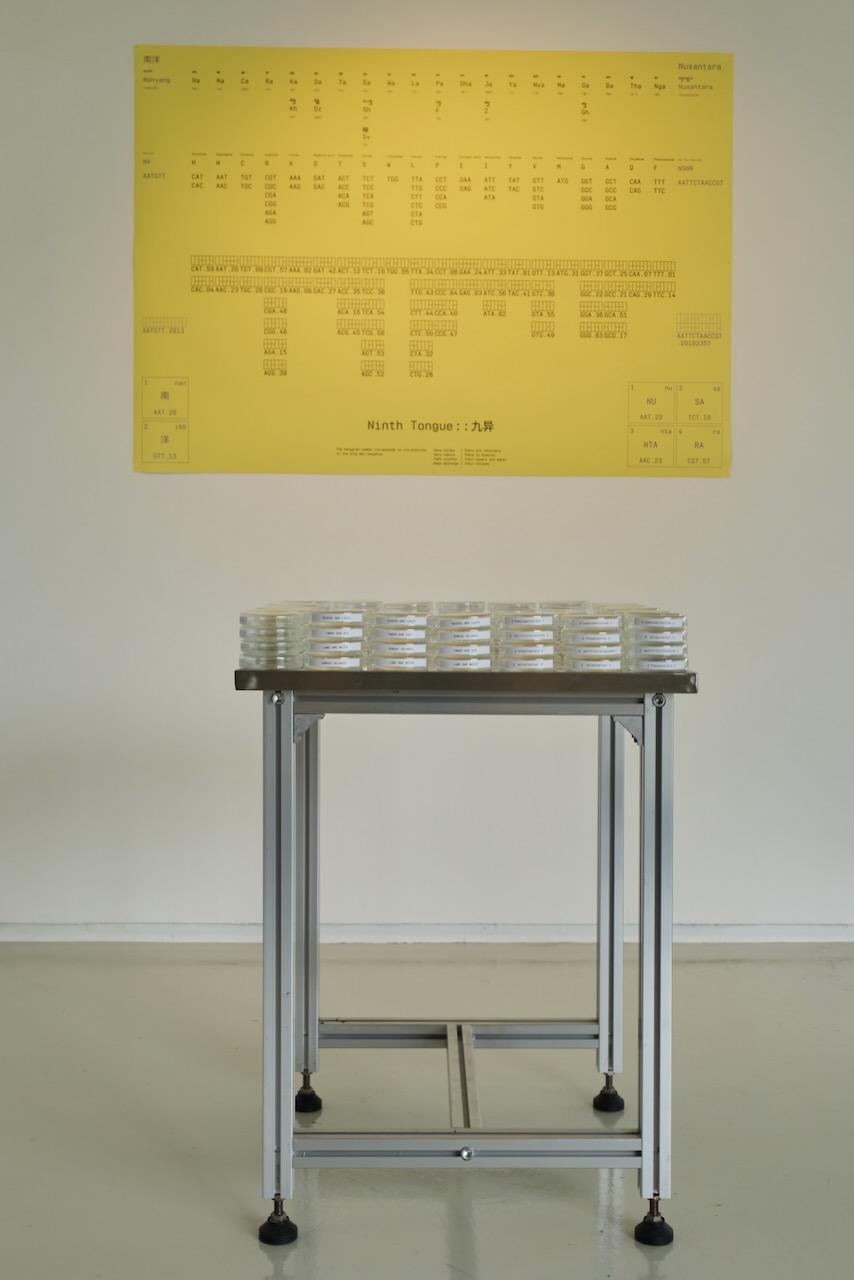
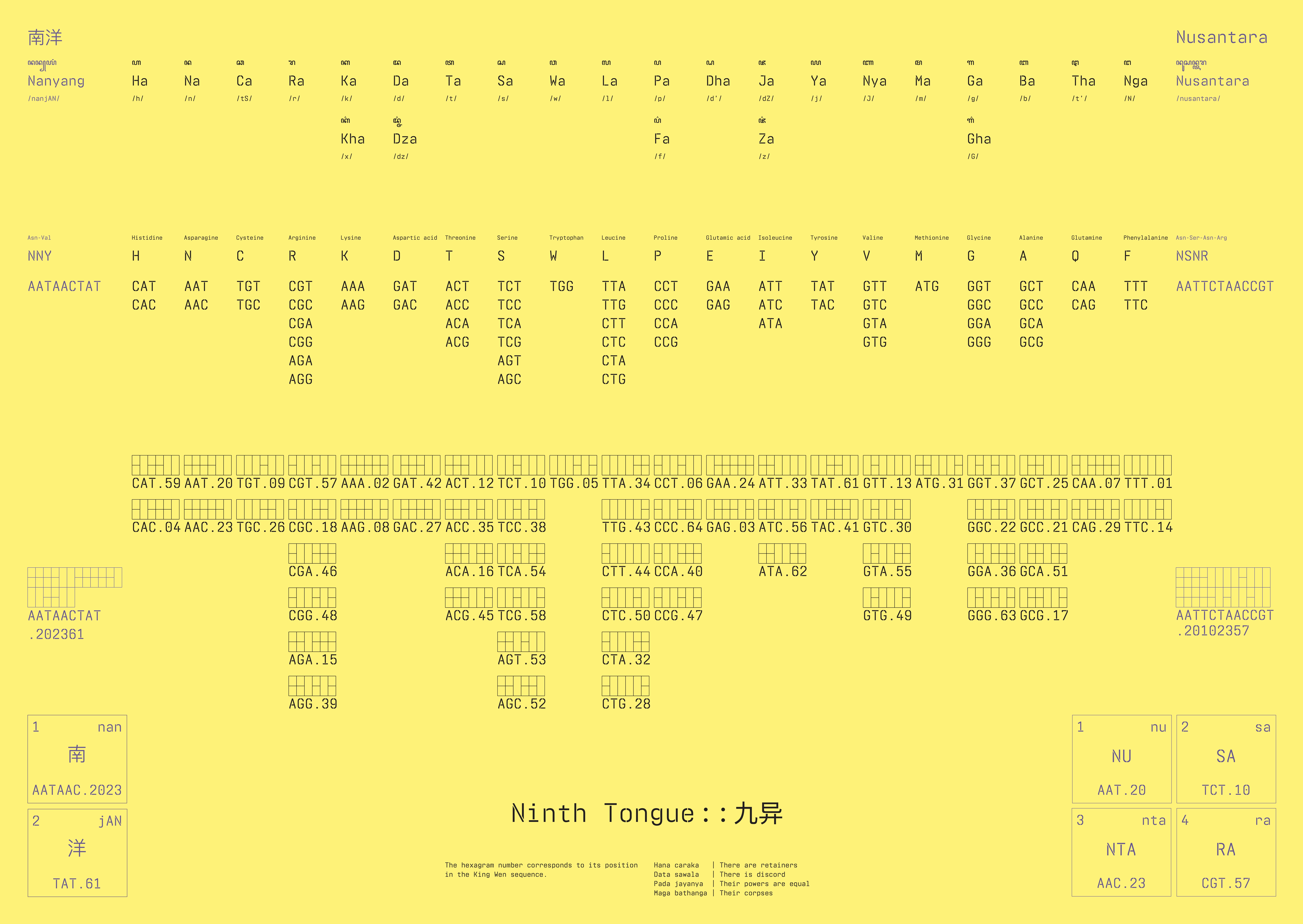
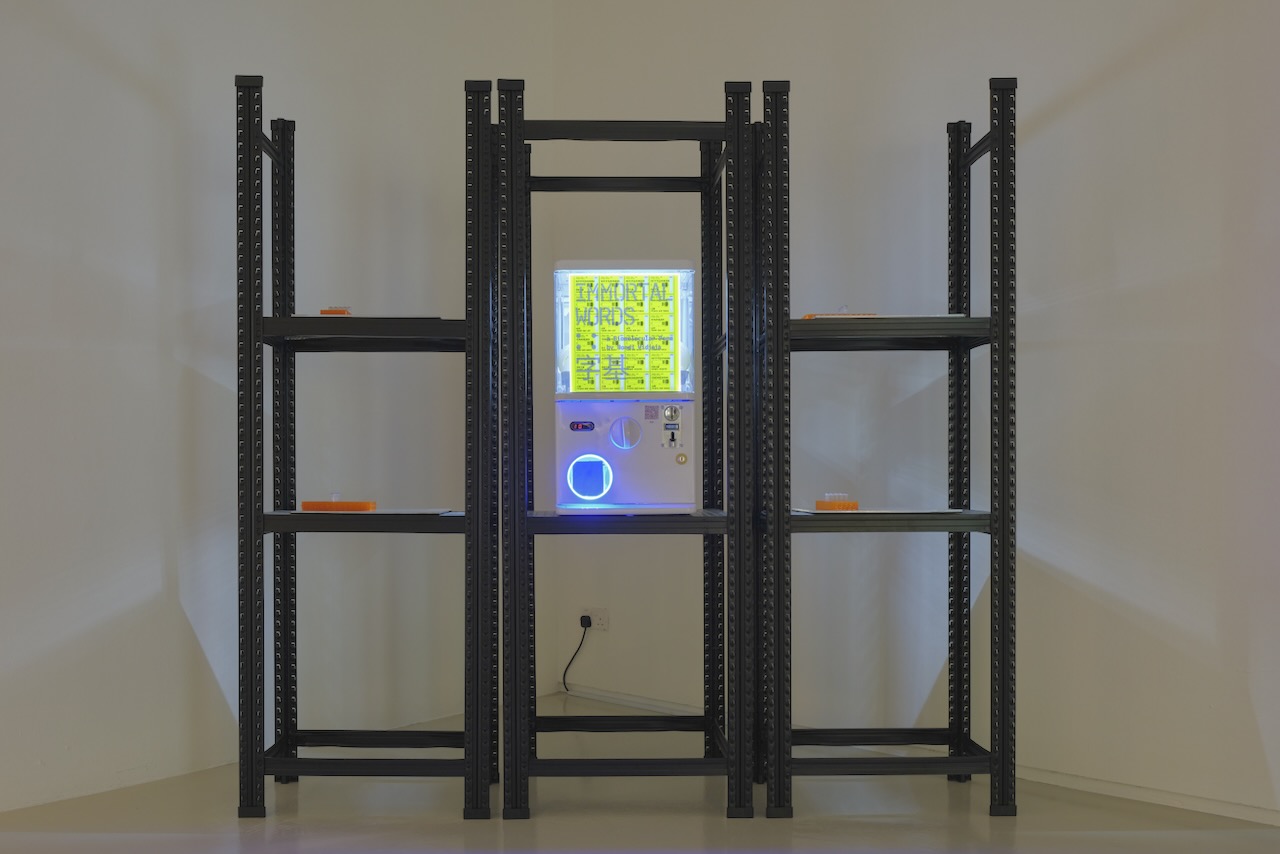
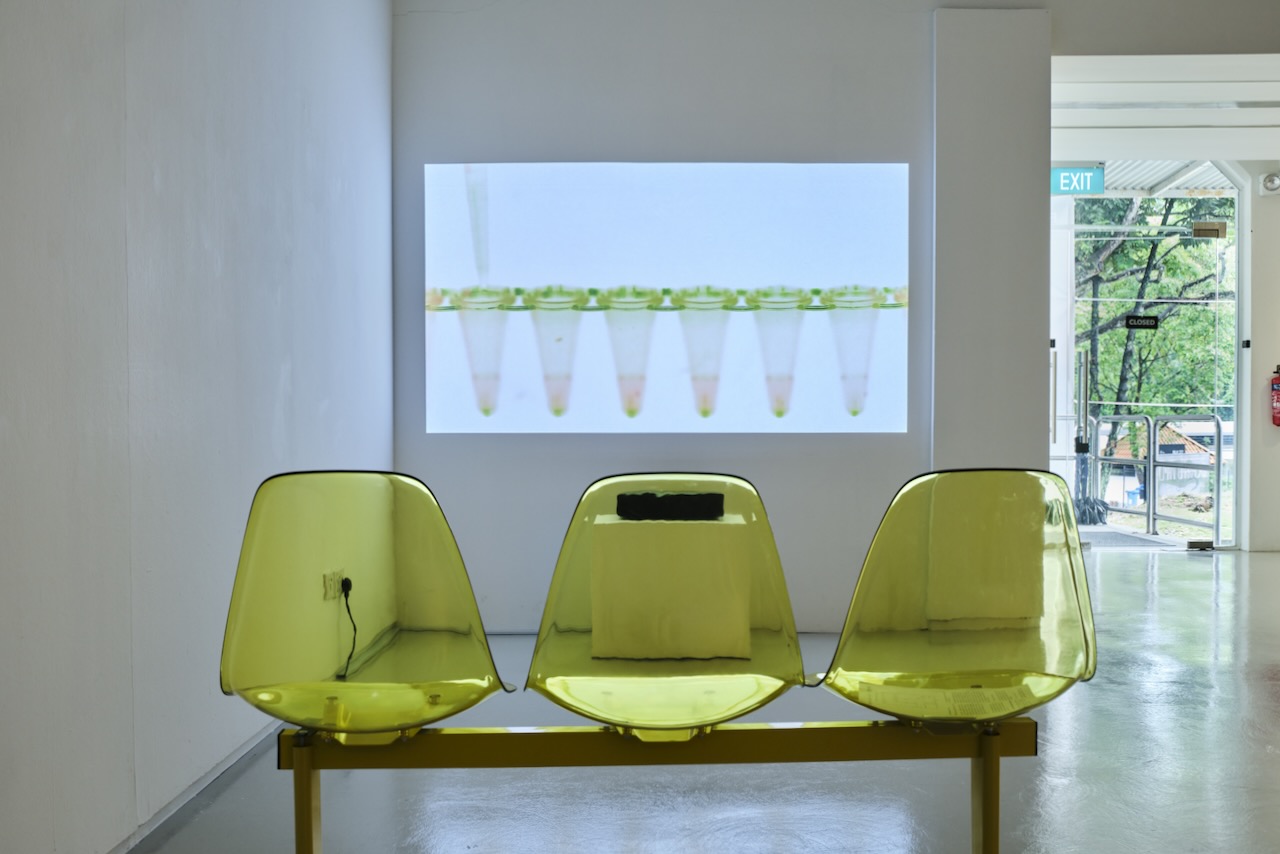
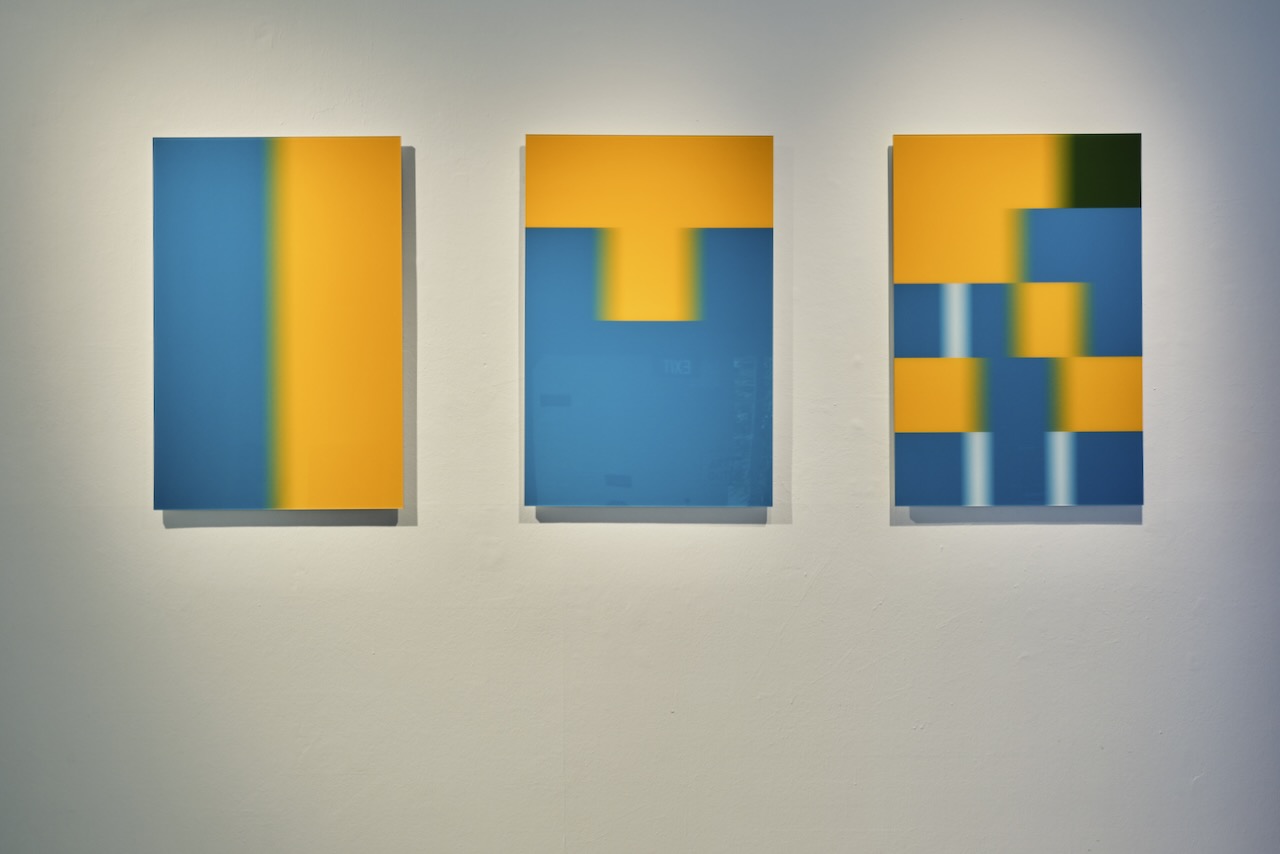
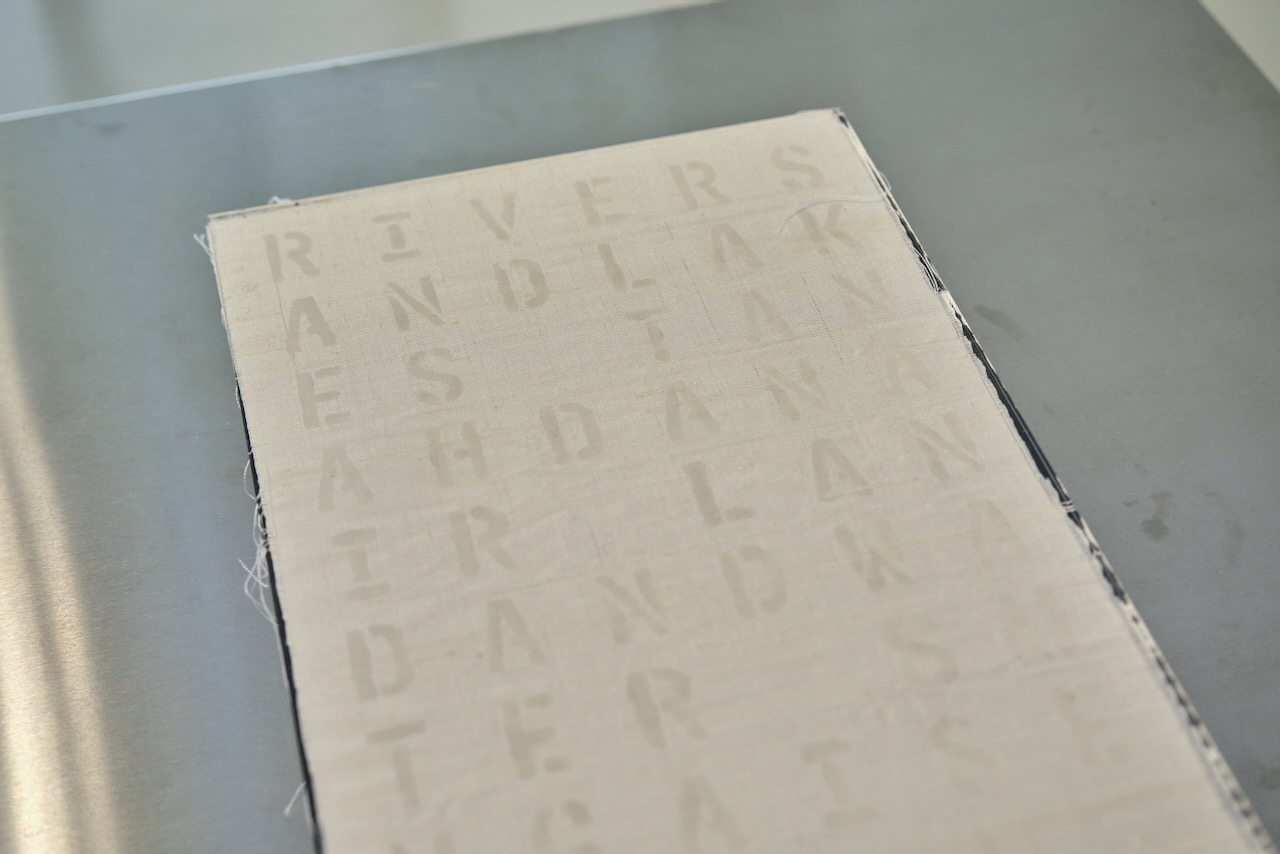
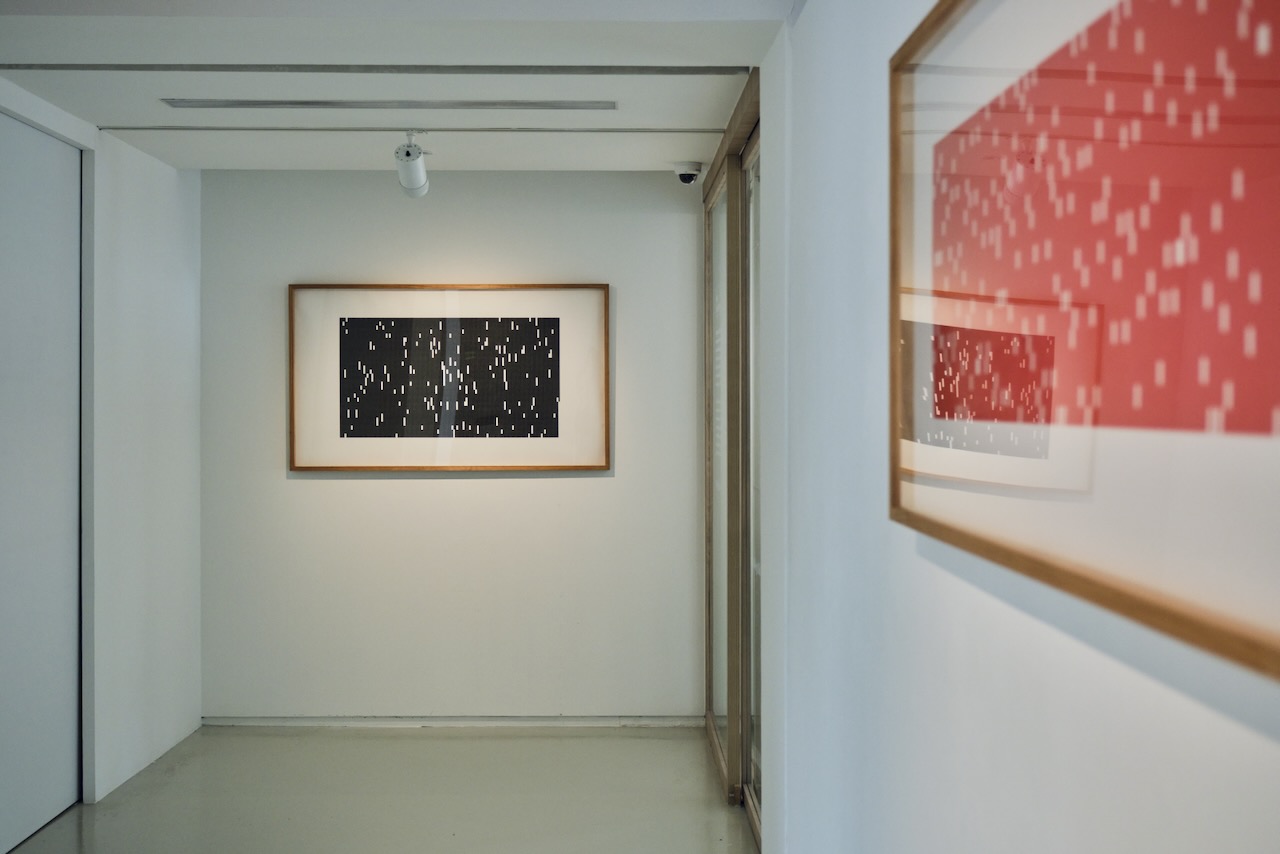
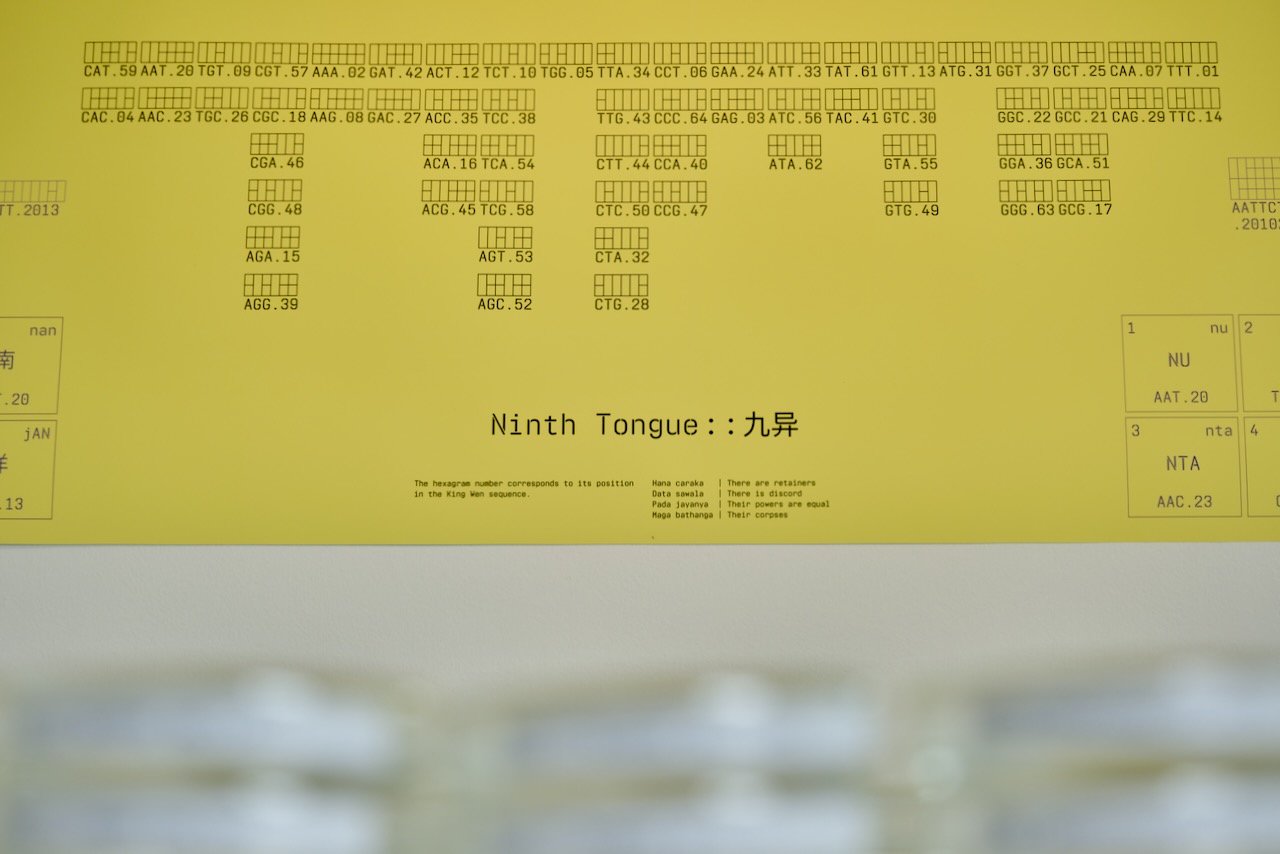
The exhibition unfolds as an unstable translation environment structured through misaligned encoding systems, in which language is continually displaced and de-naturalised. A translingual four-line poem is encoded and synthesised into DNA molecules; genetic no tation is rearticulated through I Ching hexagrams; signal flags are translated via Morse code and colour wavelengths. Translation here is instability made material. It is a process of non-fidelity, testing what persists as meaning crosses non-equivalent systems. Language operates as a physical medium of encoded states, its shifting phases determining form and legibility. In diaspora, this instability is lived. Meaning strays, mutates, turns illegible; and illegibility, in turn, generates.
《桃花社:这里没有桃花》(Peach Blossom Society :: 这里没有桃花)将一则承诺及其崩解映射为一种系统:国家如何转移,并成为另一种存在。作品游走于景观、文学与传说之间,标题所指向的是一个意义流动不定的空间。
“桃花”在两种宇宙观之间游移:其一是《桃花源记》中的桃花源——一个偶然进入、离开后便再也无法寻回的乌托邦;其二是舟山群岛中的桃花岛——其名并非源自花木,而来自化石遗迹。在金庸的武侠小说中,桃花岛被重新编码为双重意象:既是天堂,又是一座无法穿越的迷宫。在这些彼此交错的系统之间,桃花于乌托邦与排斥、承诺与封闭之间摆荡。
展览展开为一个不稳定的翻译环境,由彼此错位的编码系统所构成;语言在其中不断被移置,并从其自然化的状态中脱离。一首跨语言的四行诗被编码并合成为 DNA 分子;遗传学的记号经由《易经》卦象重新表述;信号旗则通过摩斯密码与色彩波长相互转换。在此,翻译将不稳定性转化为物质。它是一种非忠实的过程,检验意义在穿越彼此不等价的系统时,究竟有什么能够存续。
语言在这里作为一种承载编码状态的物质媒介运作;其不断变化的相位,决定着形式与可读性。在离散之中,这种不稳定性成为一种被切身经历的状态:意义游离、变异,转而变得不可读;而不可读性,又反过来生成新的意义。