Circulating histories
History is transmissible. And the body is its vector.
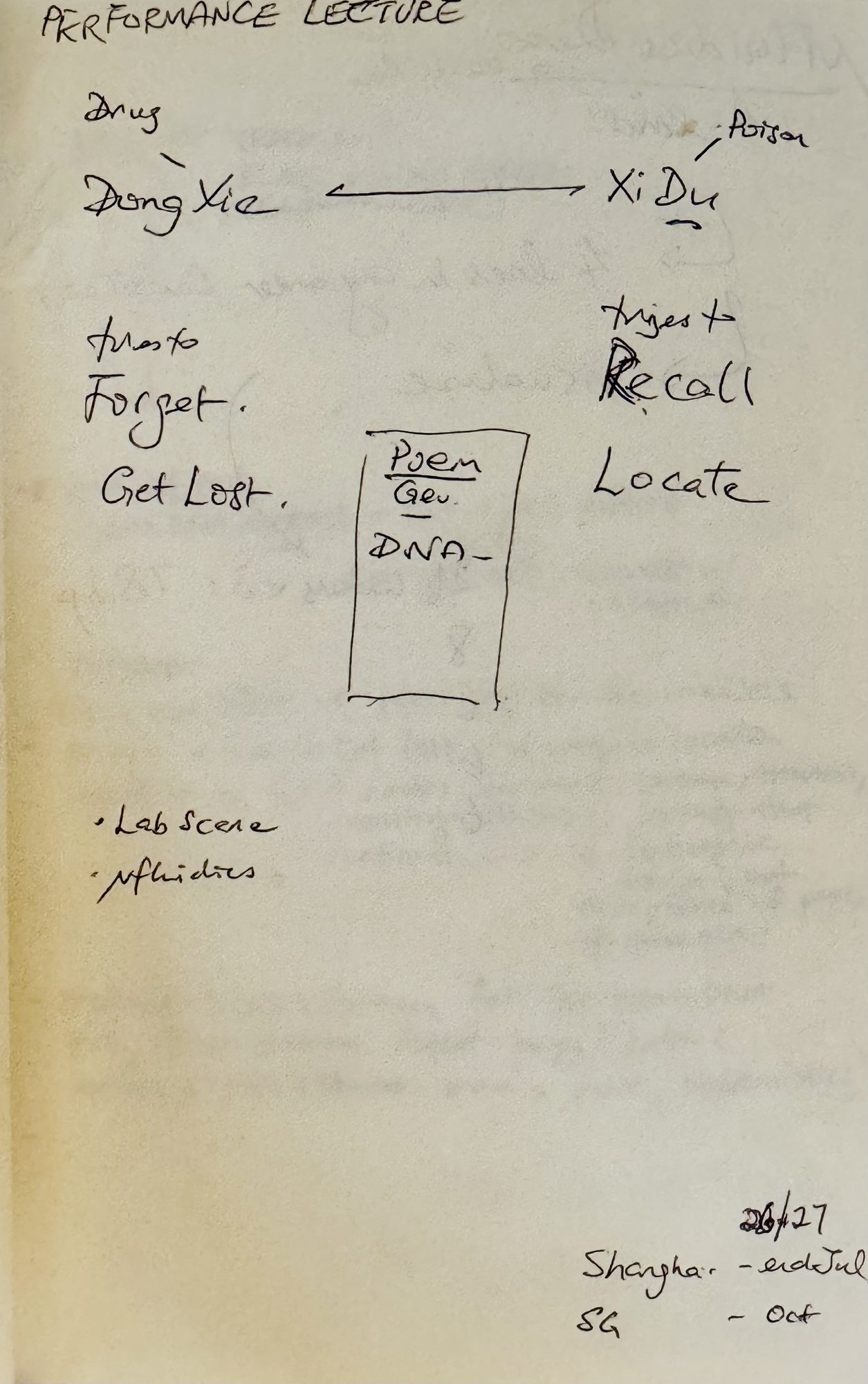
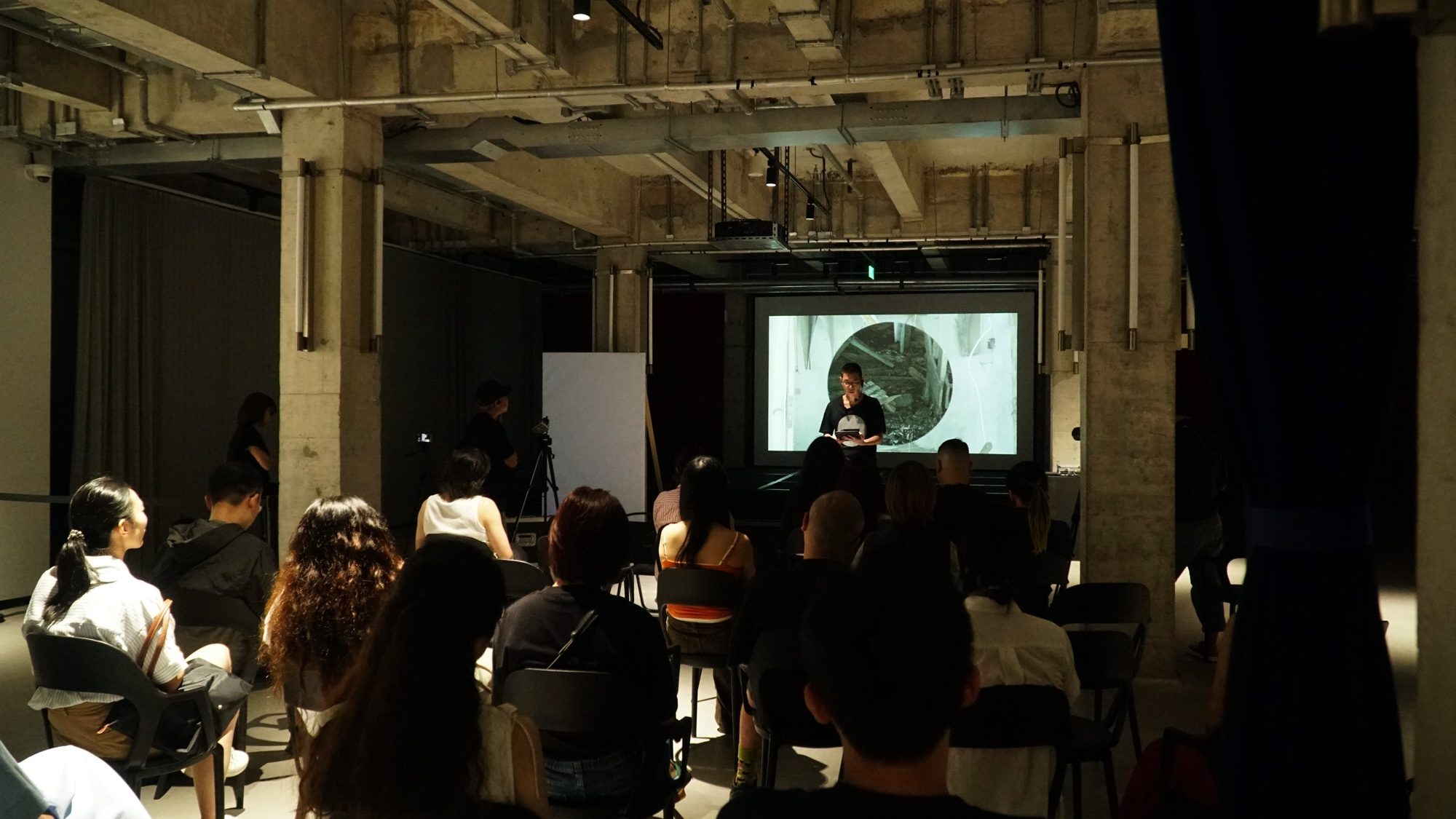
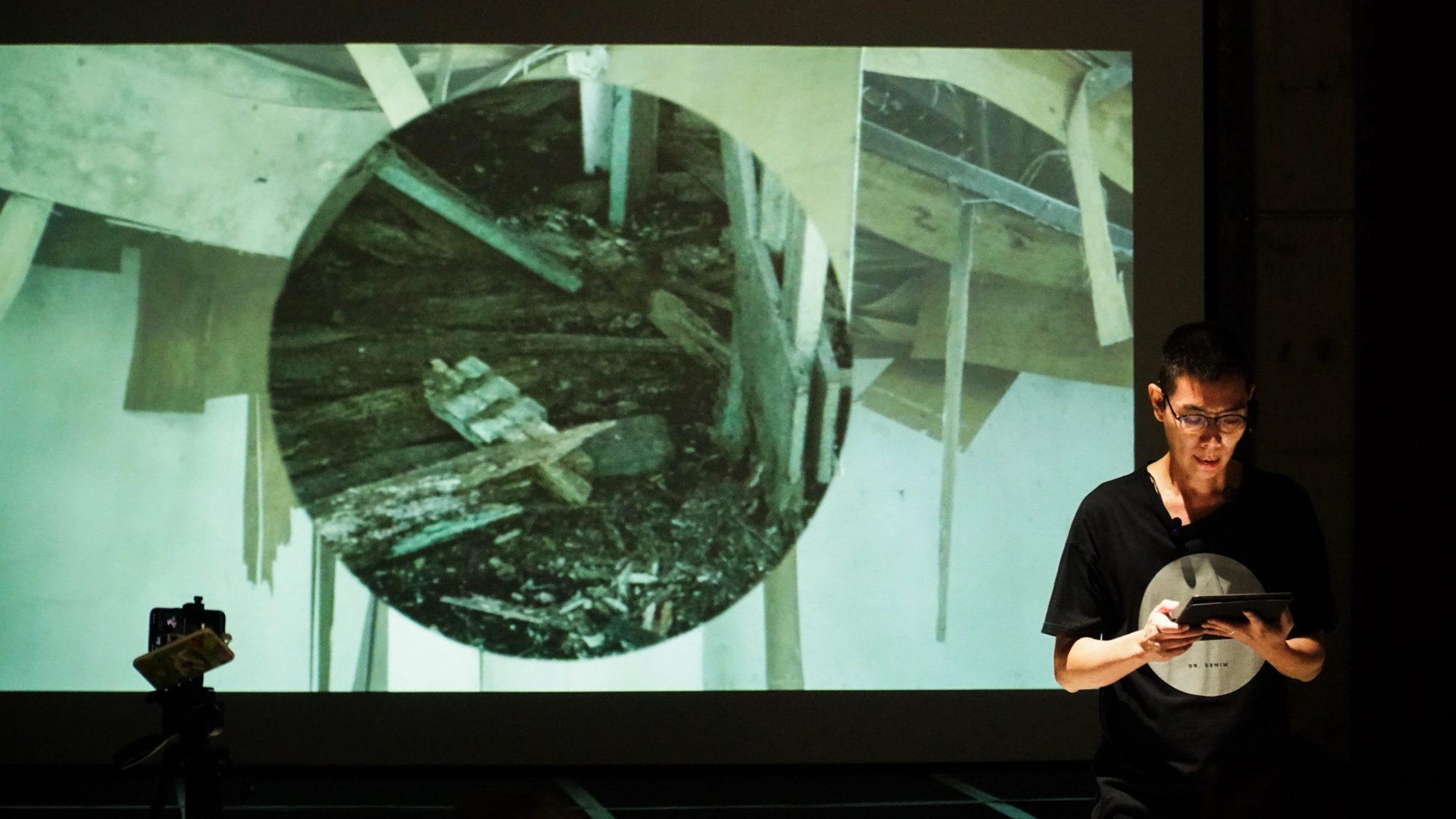
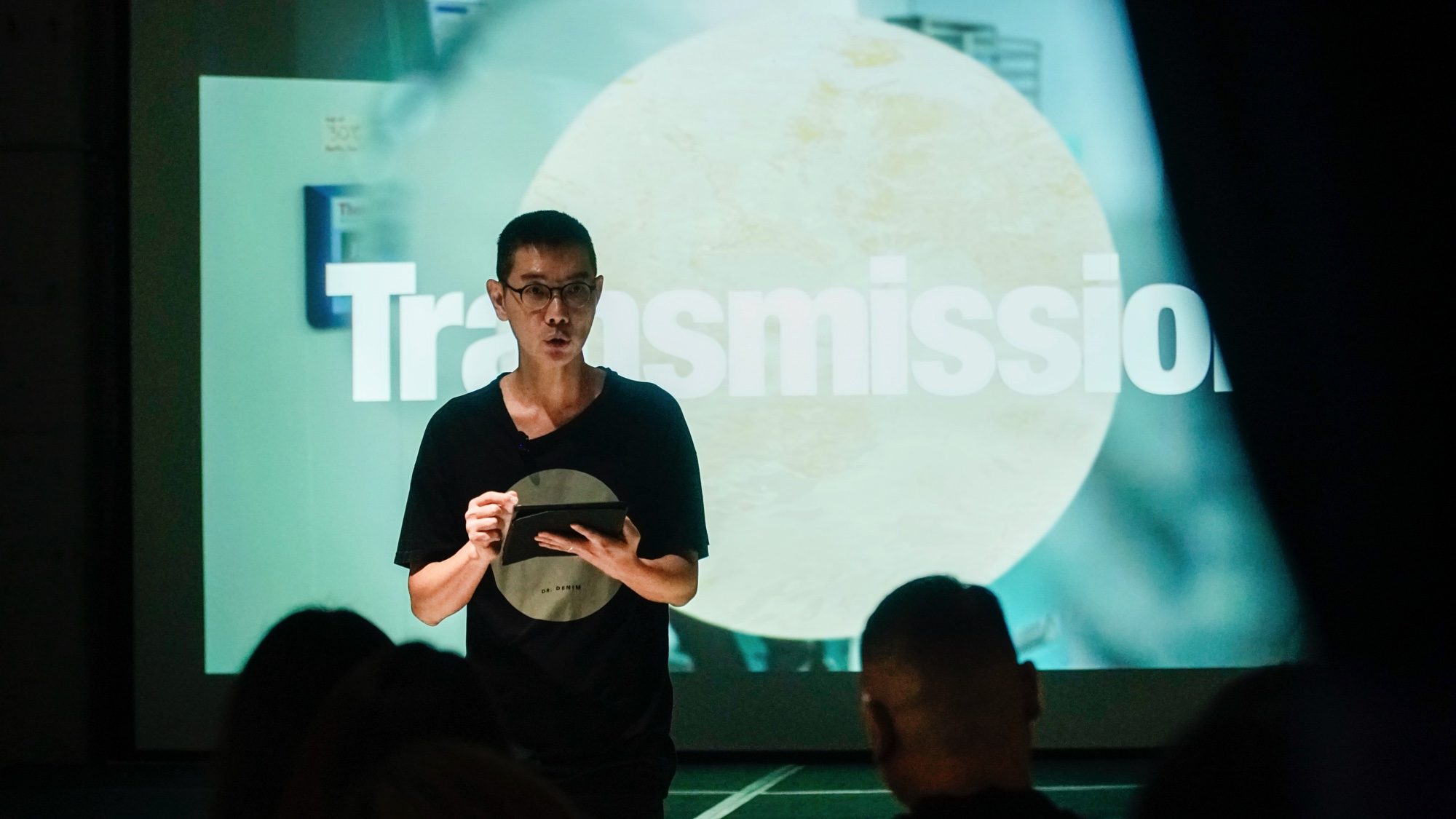
The idea entered me during a residency in Shanghai. I had just come from Nanjing, a city haunted by its histories. A few days later, a curator invited me to present my first performance-lecture. The idea took shape through this unexpected encounter.
What do we carry in our bodies from histories we never lived through?
I was born in the seventies in Central Java, Indonesia. I am ethnically Chinese. Yet I grew up unable to speak the language. After 1965, as the Cold War intensified across Southeast Asia, the Indonesian state targeted Chinese Indonesians in an anti-communist campaign. Chinese-language schools were closed. People were compelled to abandon their Chinese names.
When I was nine, my parents sent me and my sisters to Singapore. They had to remain in Indonesia. I learnt English and Chinese, and received a Western-centric education. We lived with guardians my father found through newspaper classifieds, and we moved many times. We never lived with our parents ever again. Houses kept changing. Home became an image.
Born translated
In Indonesia, I grew up watching wuxia martial arts series on bootleg VHS tapes. Some were subtitled in Indonesian; others I watched without understanding a word. My family also watched classic Hollywood Westerns on VHS. I later realised that the newest series available in my town were already more than ten years old when we watched them. The tapes had travelled across seas and over land to reach us.
I began to see history as something that circulates between bodies. When that circulation is suppressed, what remains in memory, habits and gestures?
In my art, I translate these fragments into materials, spaces and actions. They take on forms that can circulate again, even when their origins are lost or difficult to recognise. Migration has become a way of making. A poem becomes an action, then an inscription in DNA. Each translation changes its form, and sometimes my understanding of where it began.
Migration as a way of making: a seven-year conversation with a geneticist; a poem that kept moving; returns to Java and my grandfather’s village in Fujian. These strands meet in 东邪西毒 I Want to Infect You With History. The work has several beginnings.
A seven year conversation
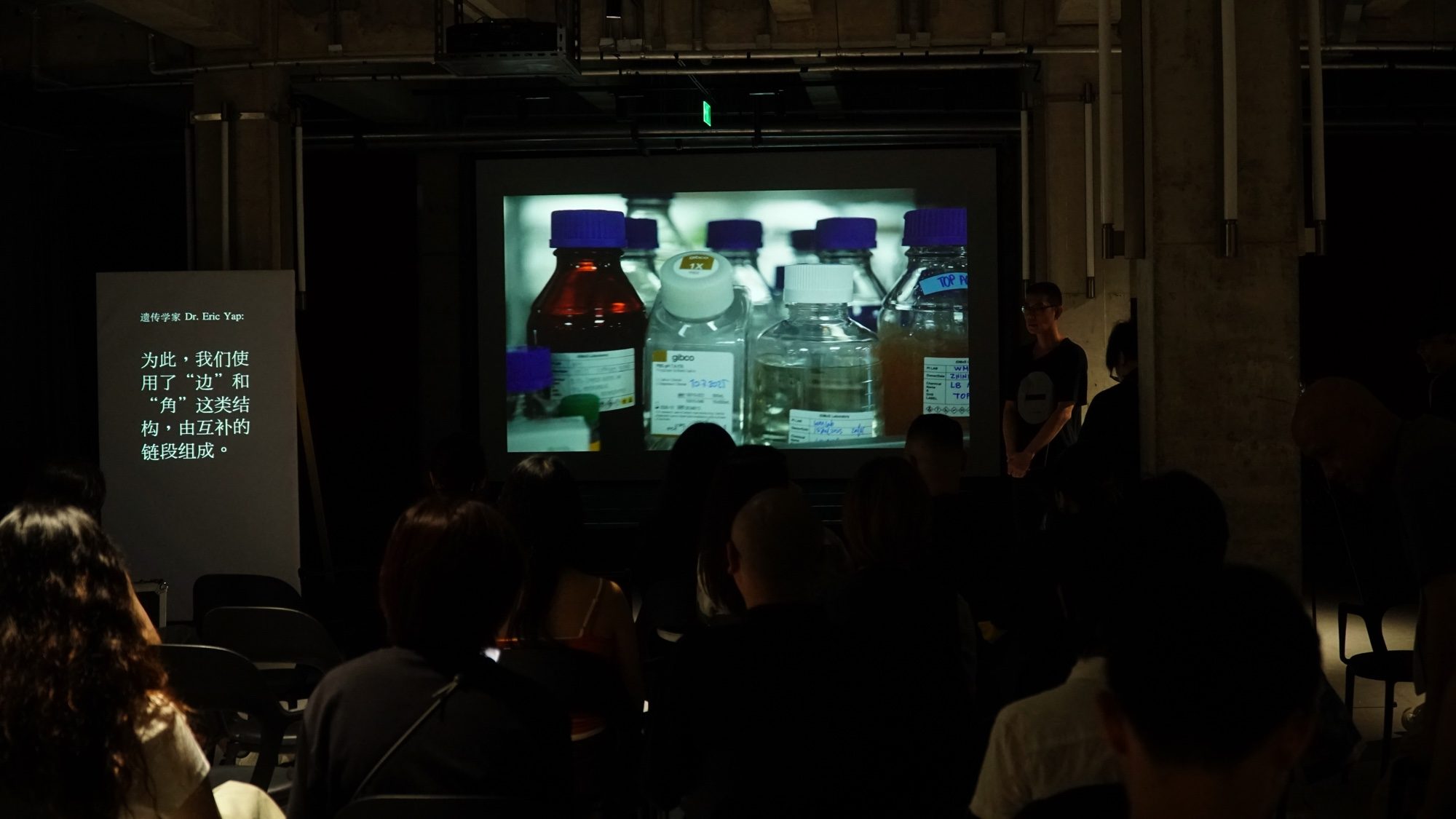
In 2019, I asked geneticist Eric Yap if a poem could be written into DNA. He said yes. Since then, we have collaborated on several projects exploring DNA as language and material, continuing our work at his lab at the Institute for Digital Molecular Analytics and Science (IDMxS).
- 2019
Path. 10, A Tree Talks, A Tree Walks 梧桐语・菩提径
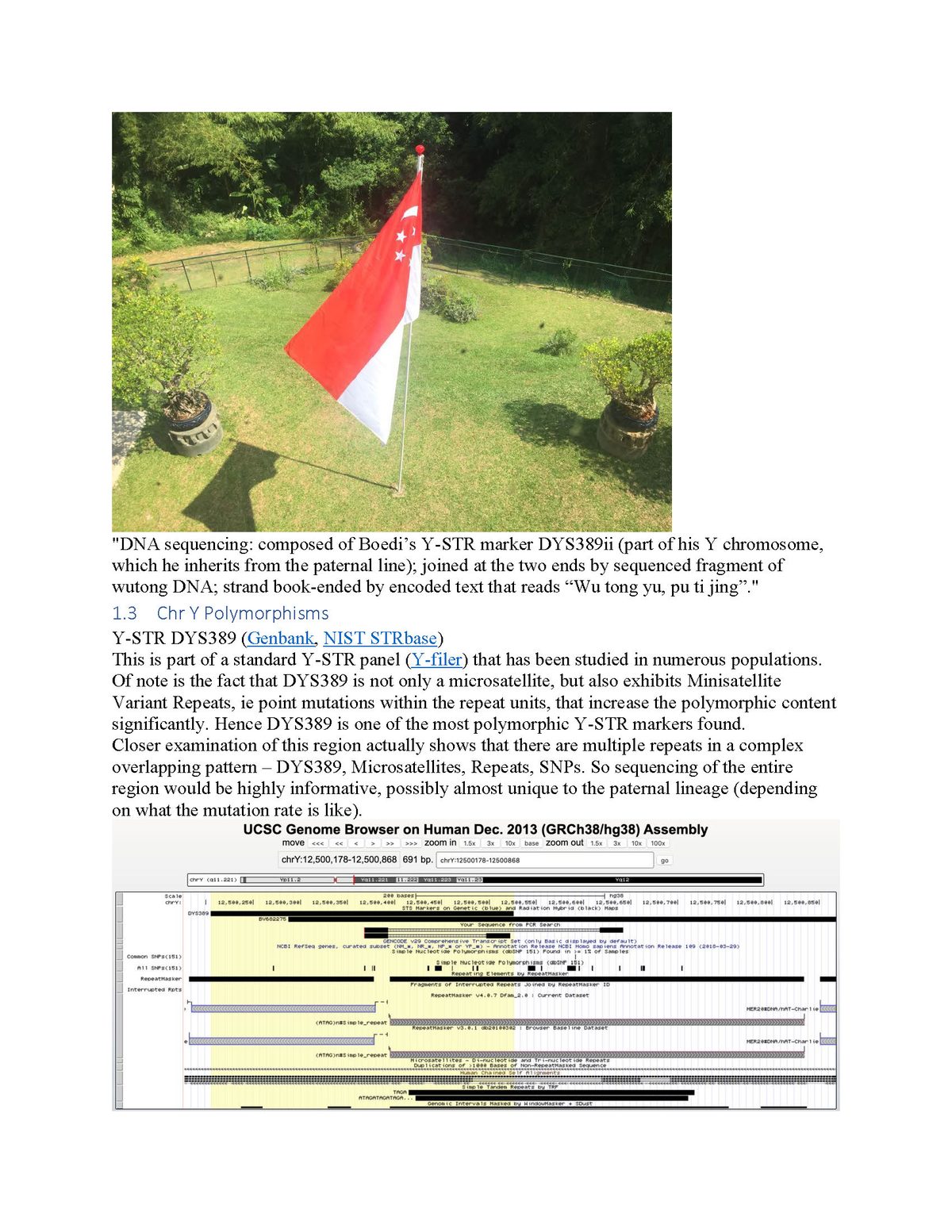
Our first collaboration. We wrote the work’s title into DNA and spliced it with a fragment of my Y chromosome and the chloroplast DNA of a Chinese parasol tree.
Temenggong Artists-in-Residence, Singapore
- 2021
A Tree Rings, A Tree Sings 树龄°述铃
The hybrid DNA from Path. 10 became the score for a generative audiovisual work.
FACT, Liverpool, UK
- 2023
Path. 14, The River Flows Two Ways
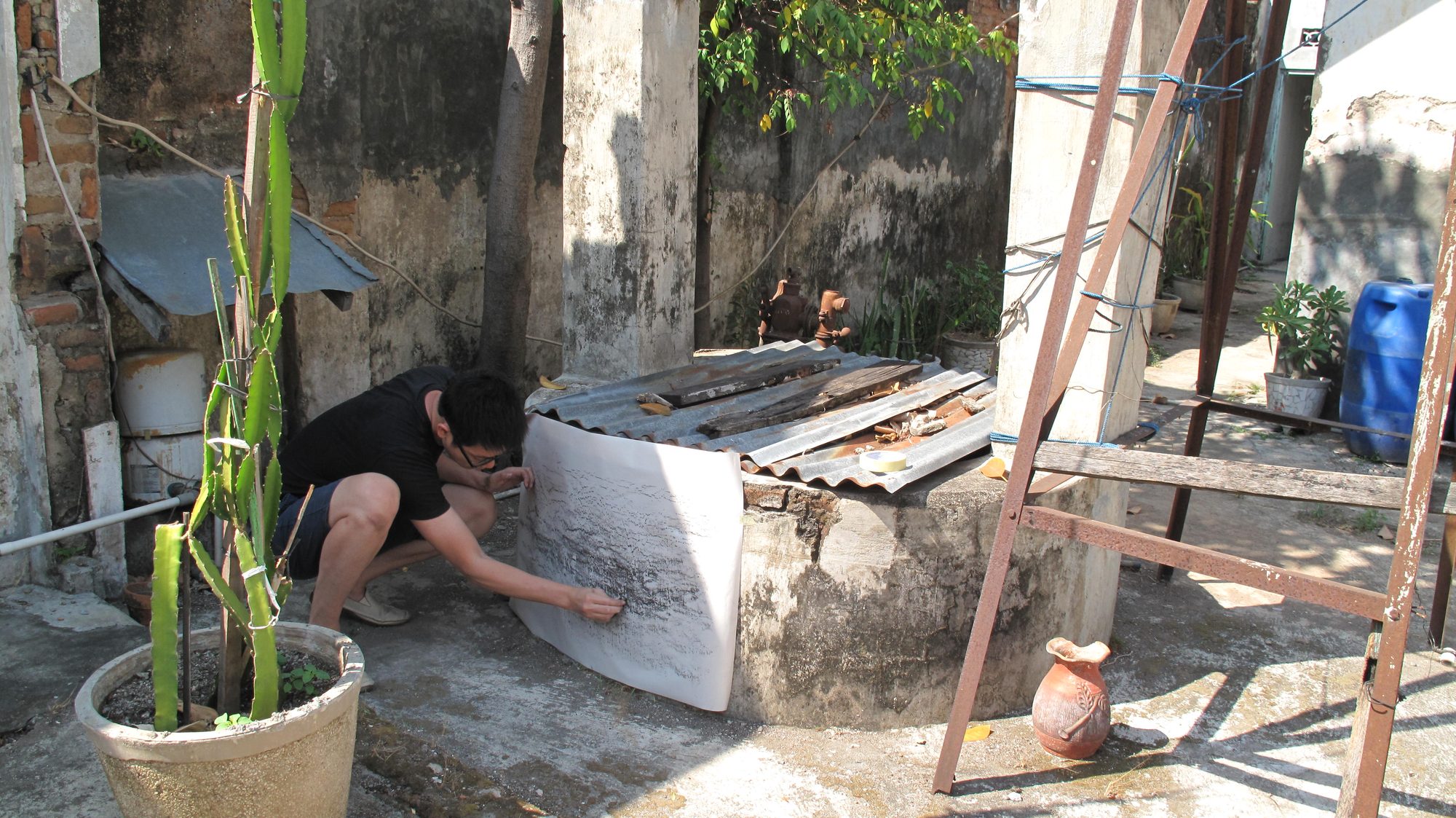
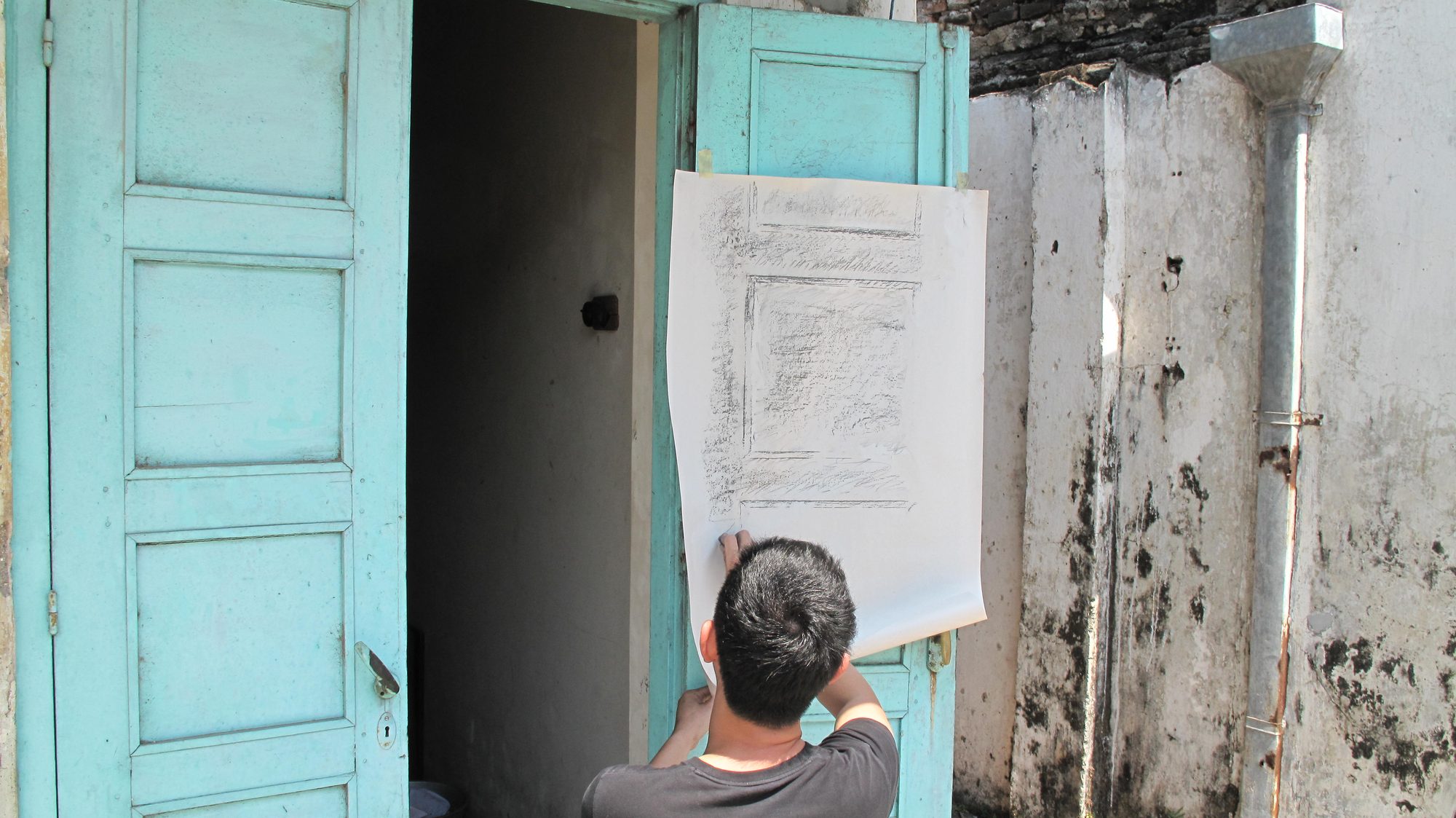
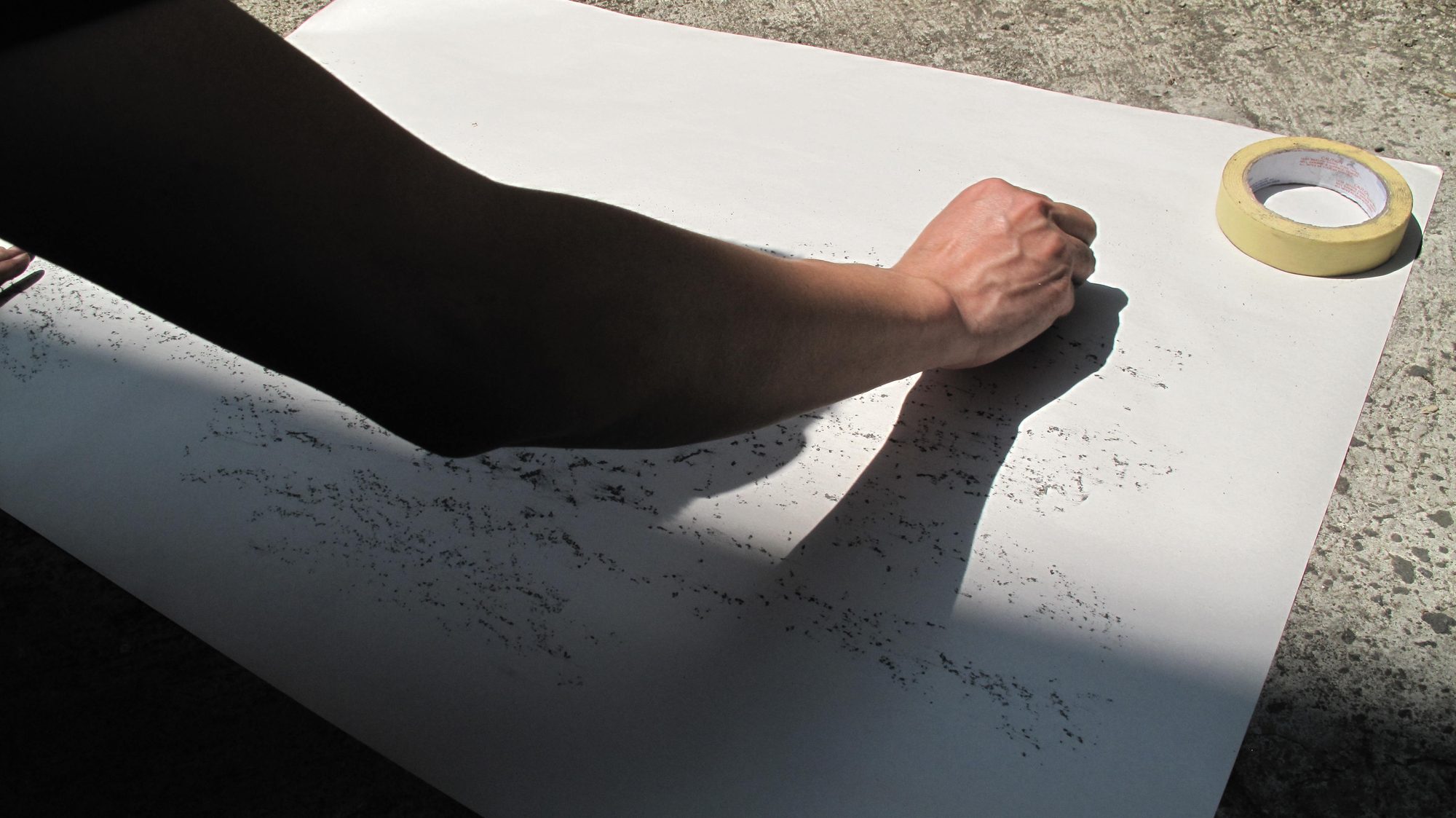
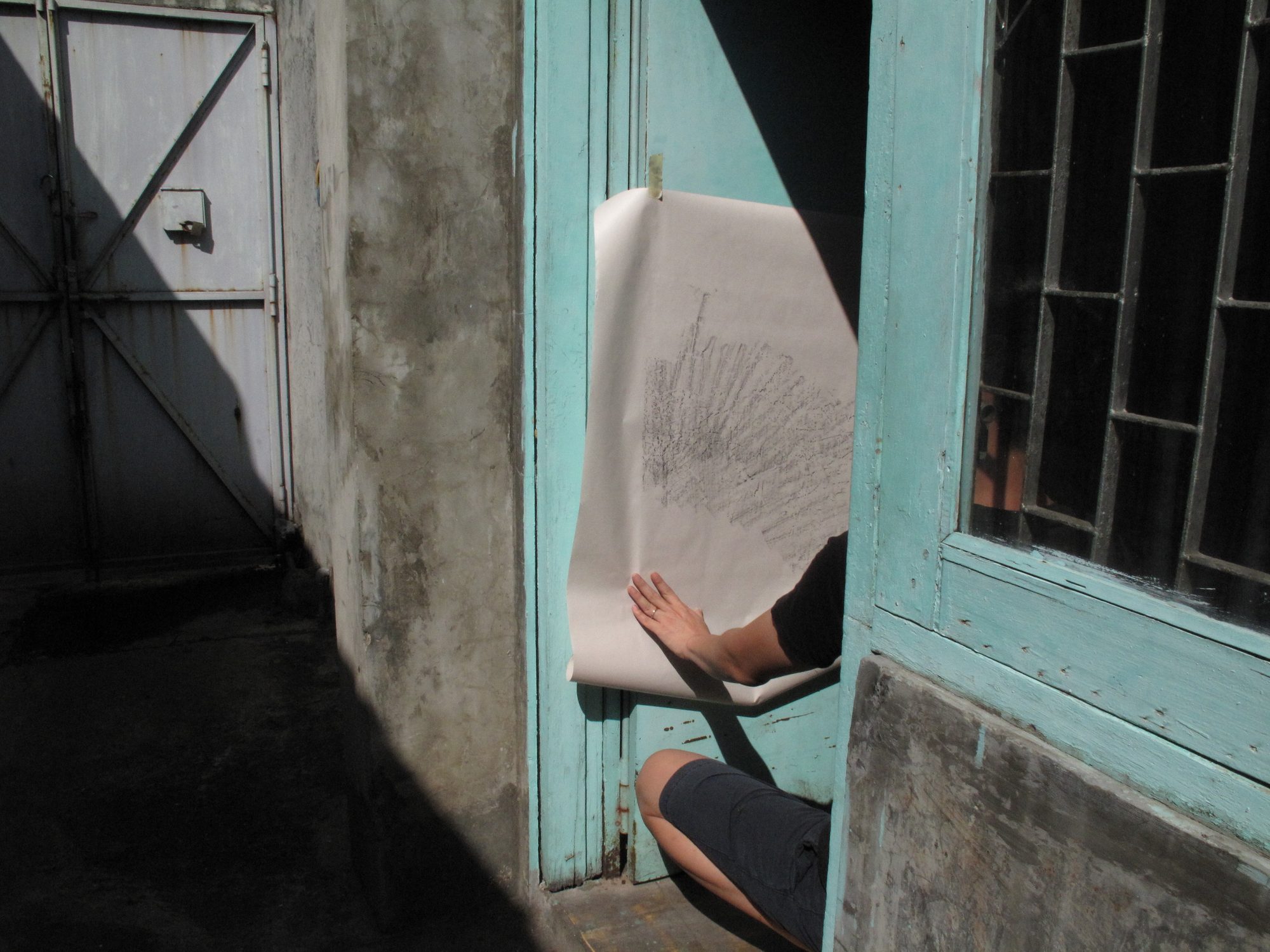
Eric’s lab read the environmental DNA of the Mekong River. DNA-infused ink used for frottages of the Mekong rocks brought molecular material into the work.
Thailand Biennale, Mekong Basin Civilization Museum, Chiang Rai, Thailand
- 2024
Immortal Words
We encoded 15,000-year-old words into synthetic DNA. Audiences bought them as capsules from gachapon machines.
PLATFORM, ART SG, Singapore, and other venues
- 2025–26This work
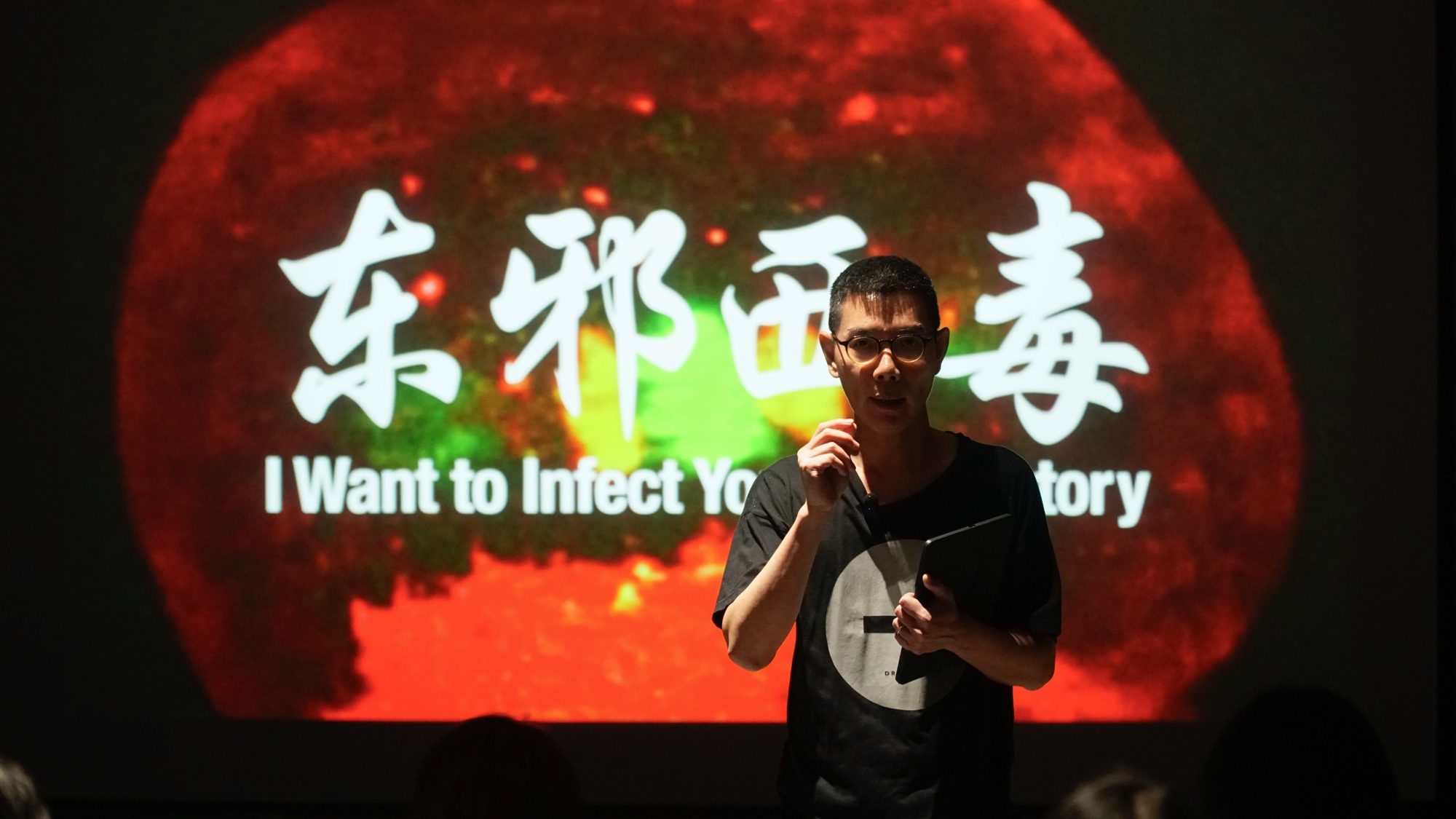
东邪西毒 I Want to Infect You With History
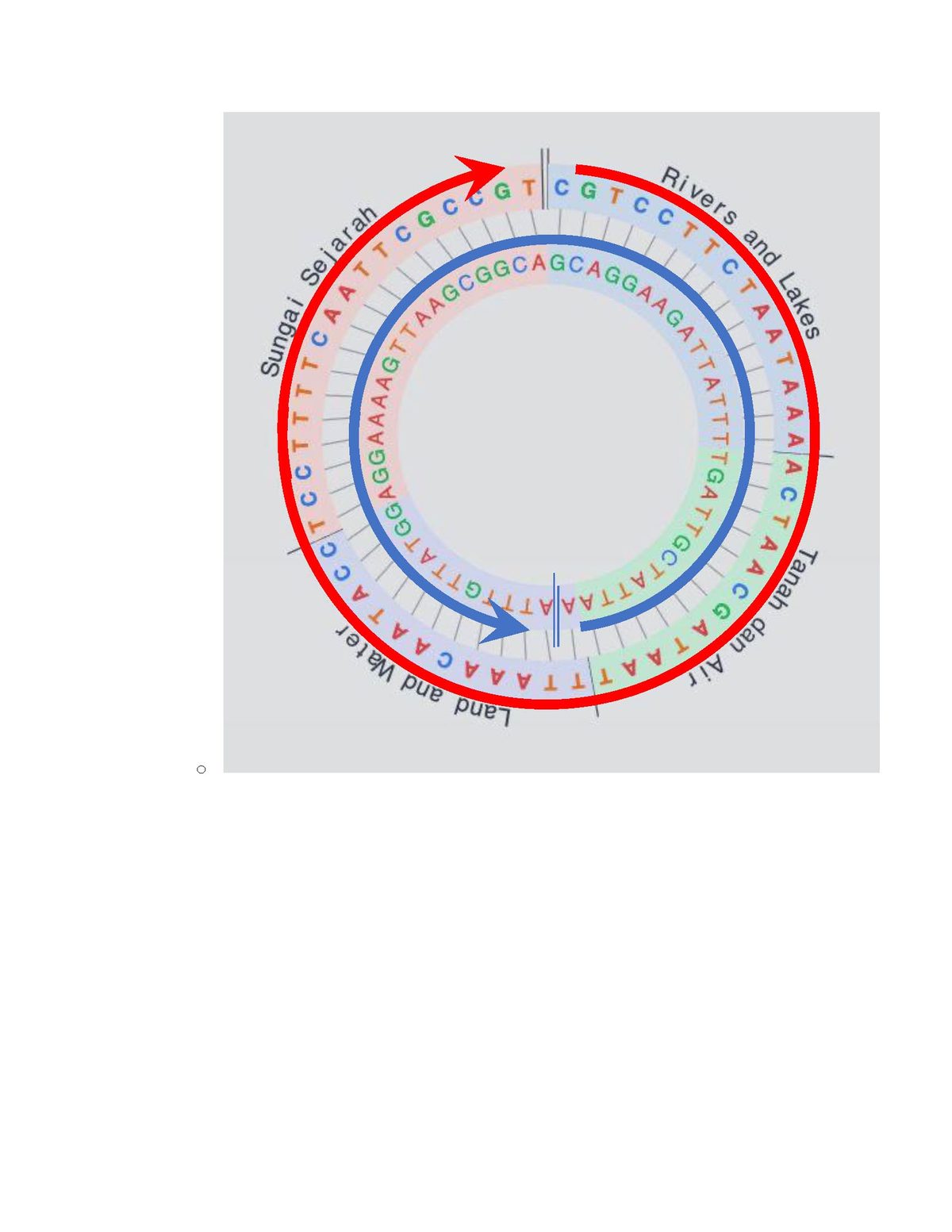
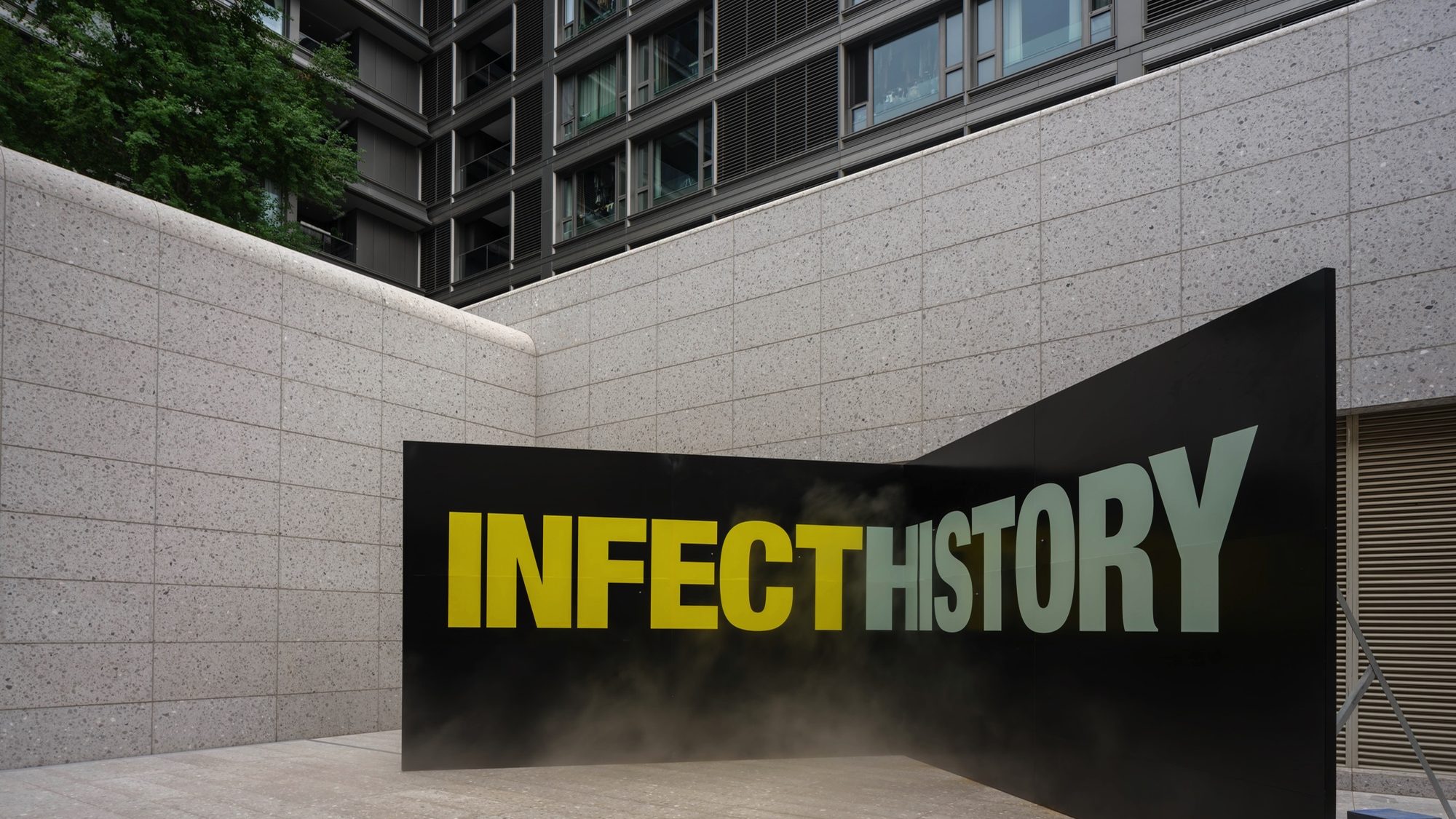
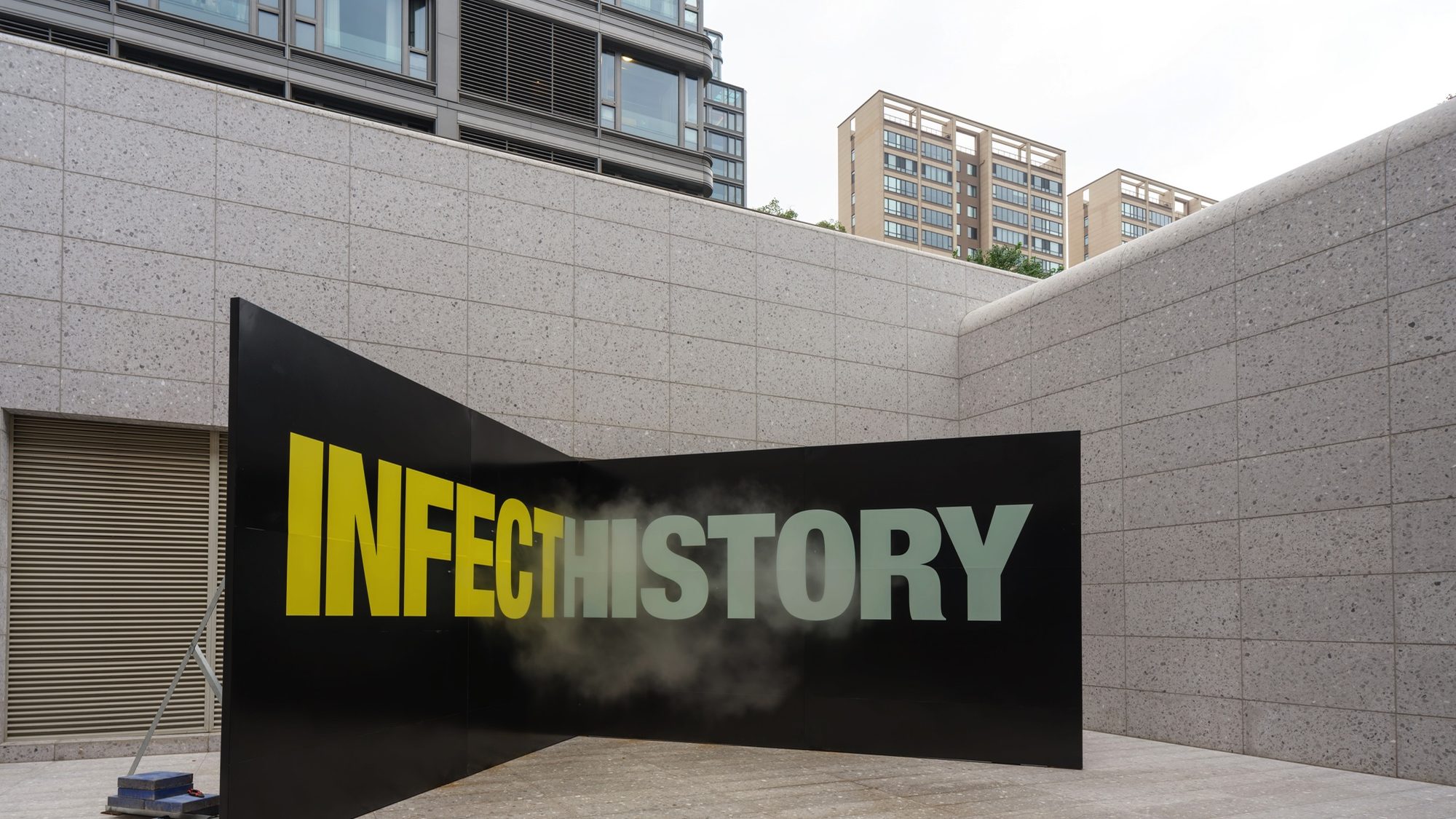
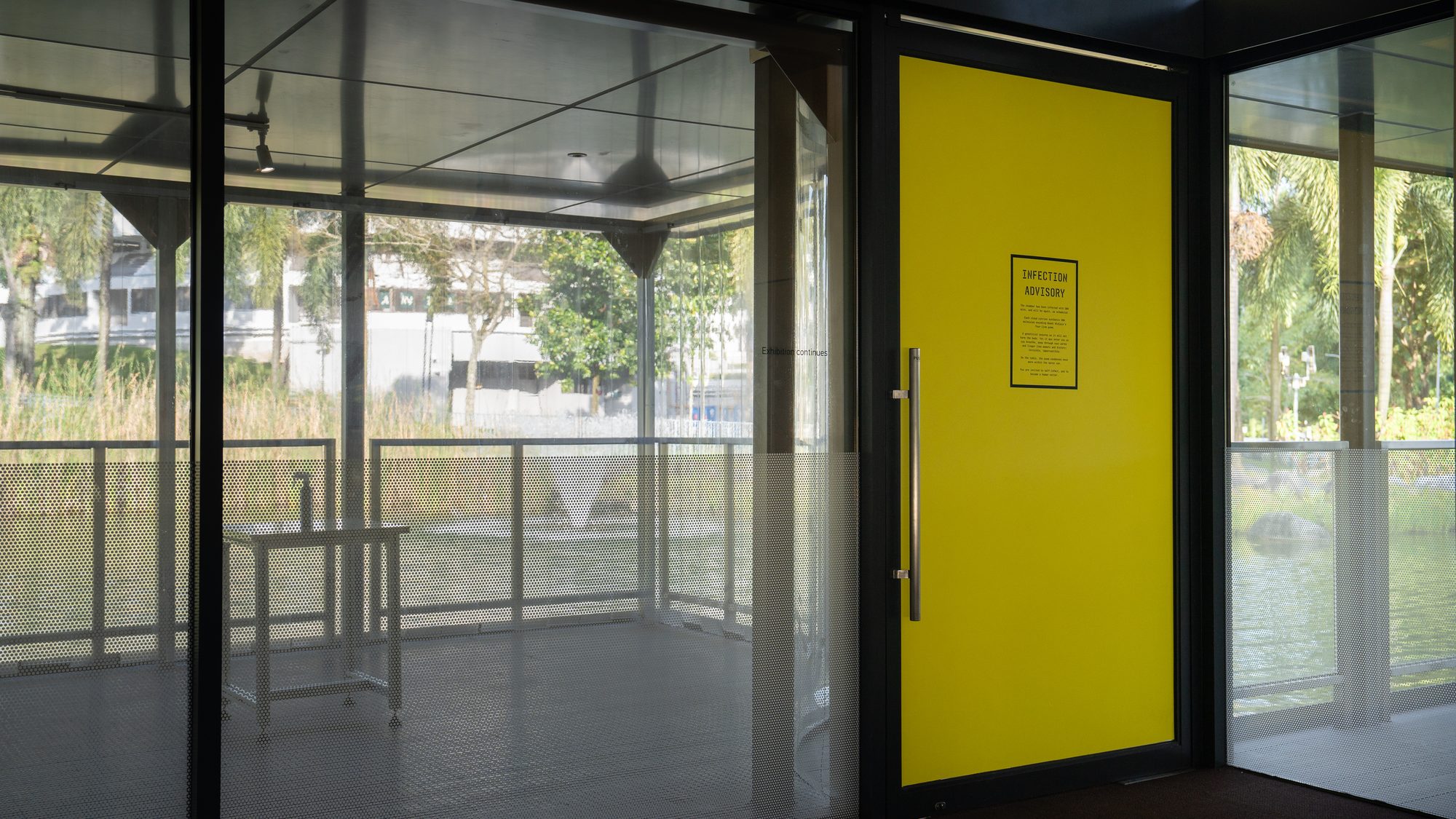
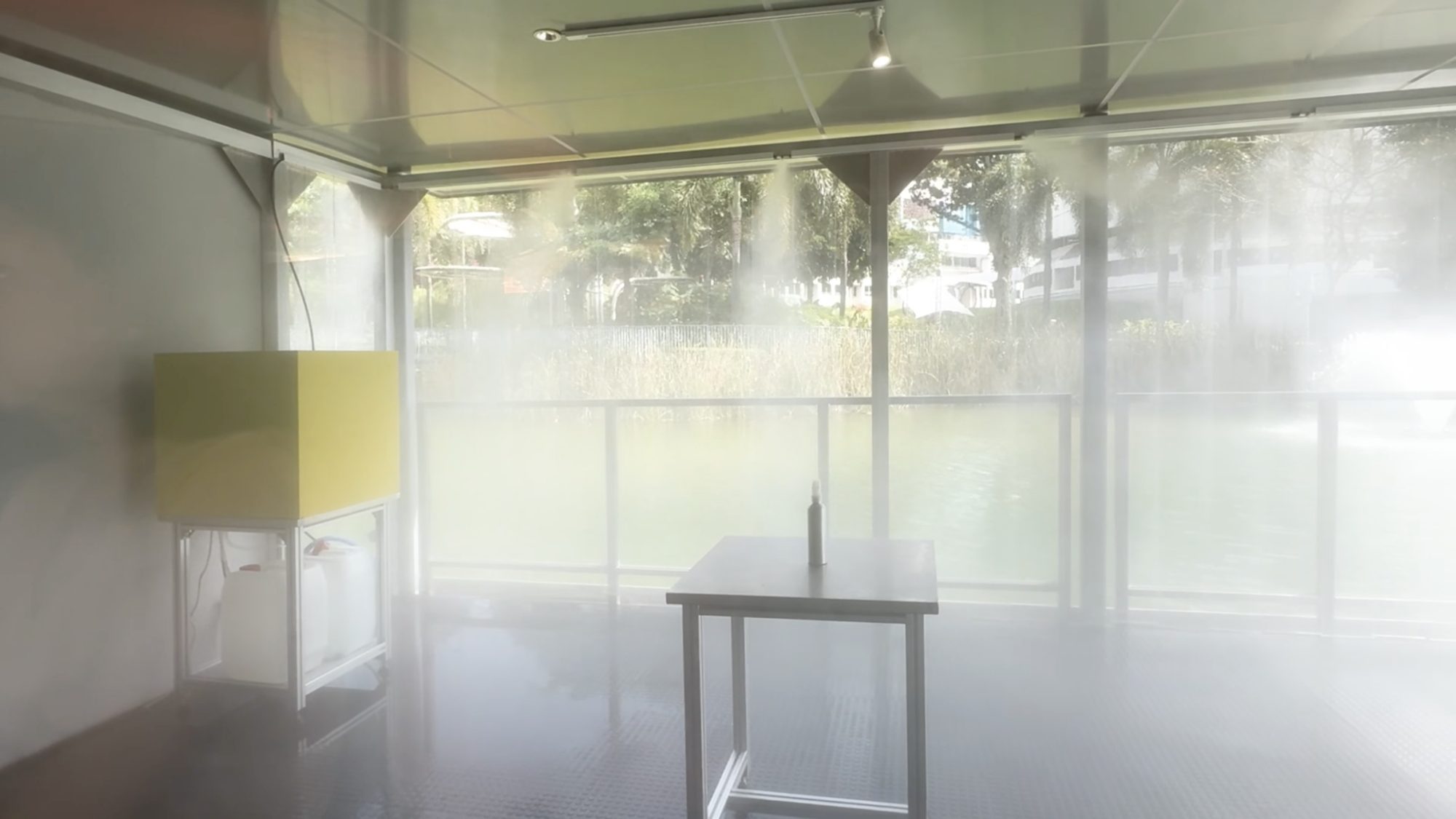
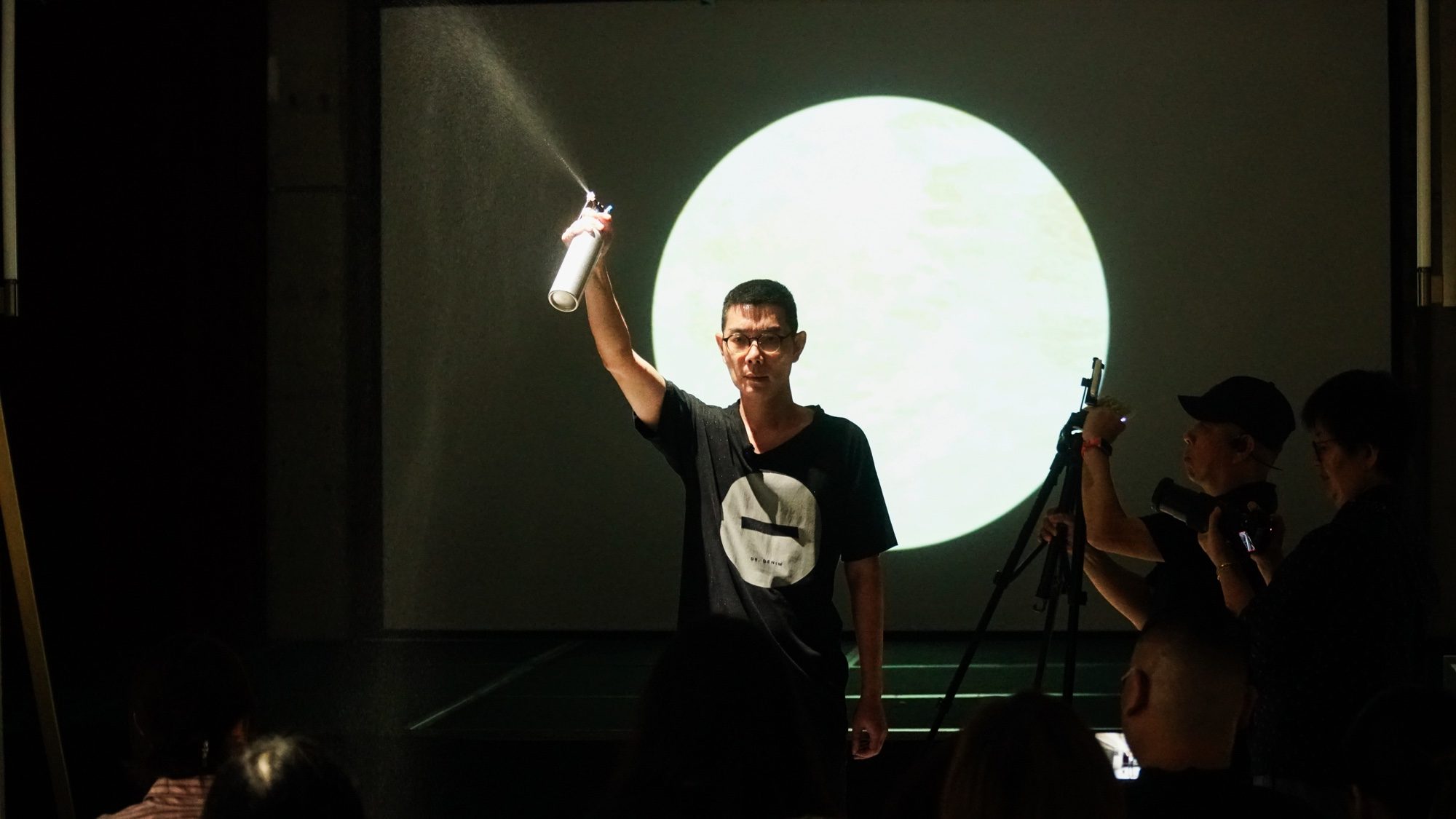
Eric’s lab wrote the four-line poem into DNA, and the installation releases it into the air as mist.
Fotografiska Shanghai and ShanghART West Bund Central, Shanghai, 2025; NTU Museum, Singapore, 2026
- 2026
Immortal Words :: 字基
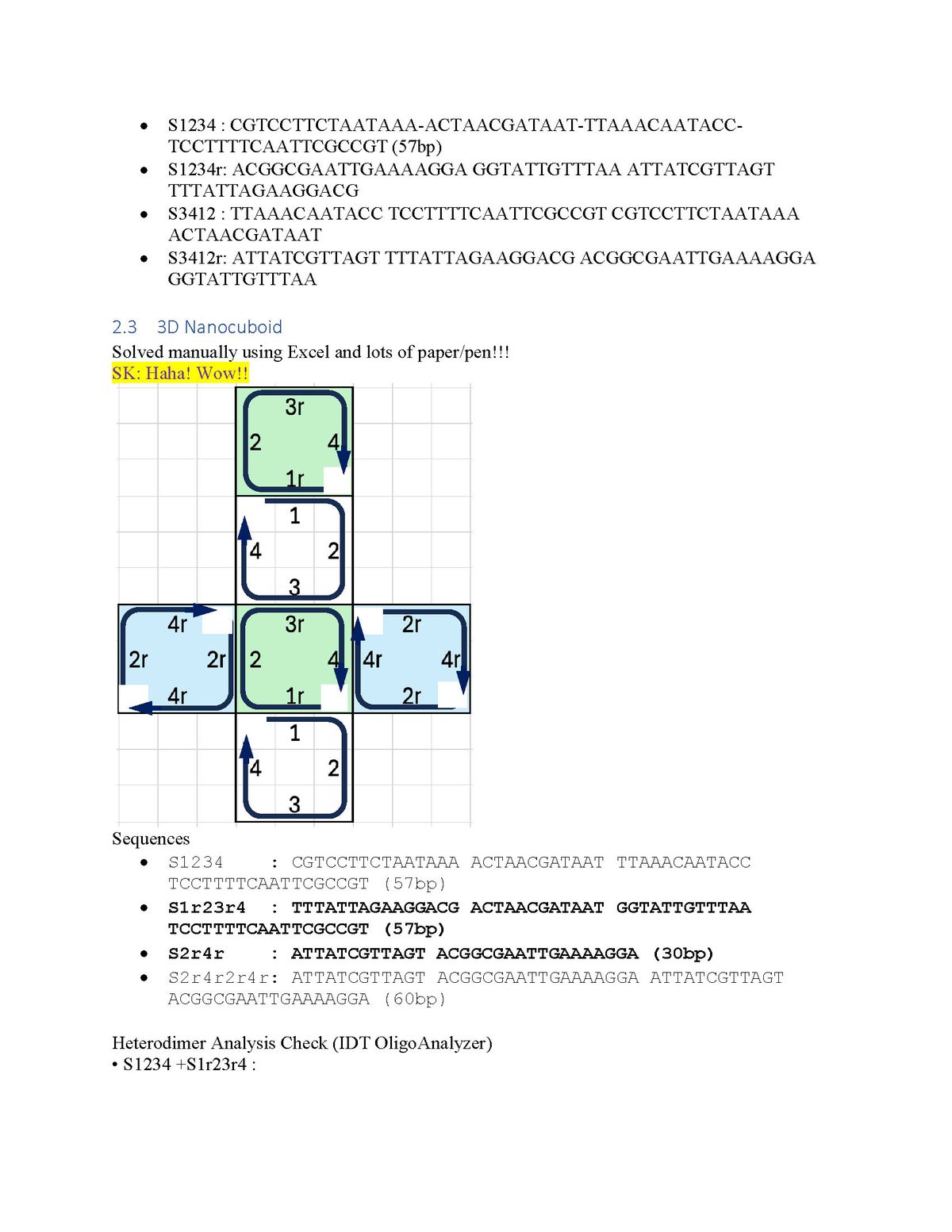
We shaped the four-line poem into DNA nano-sculptures (lines, circles and cubes), sold through gachapon machines like Immortal Words.
ShanghART Singapore Annexe
- 2026
Islands of Remembering and Forgetting
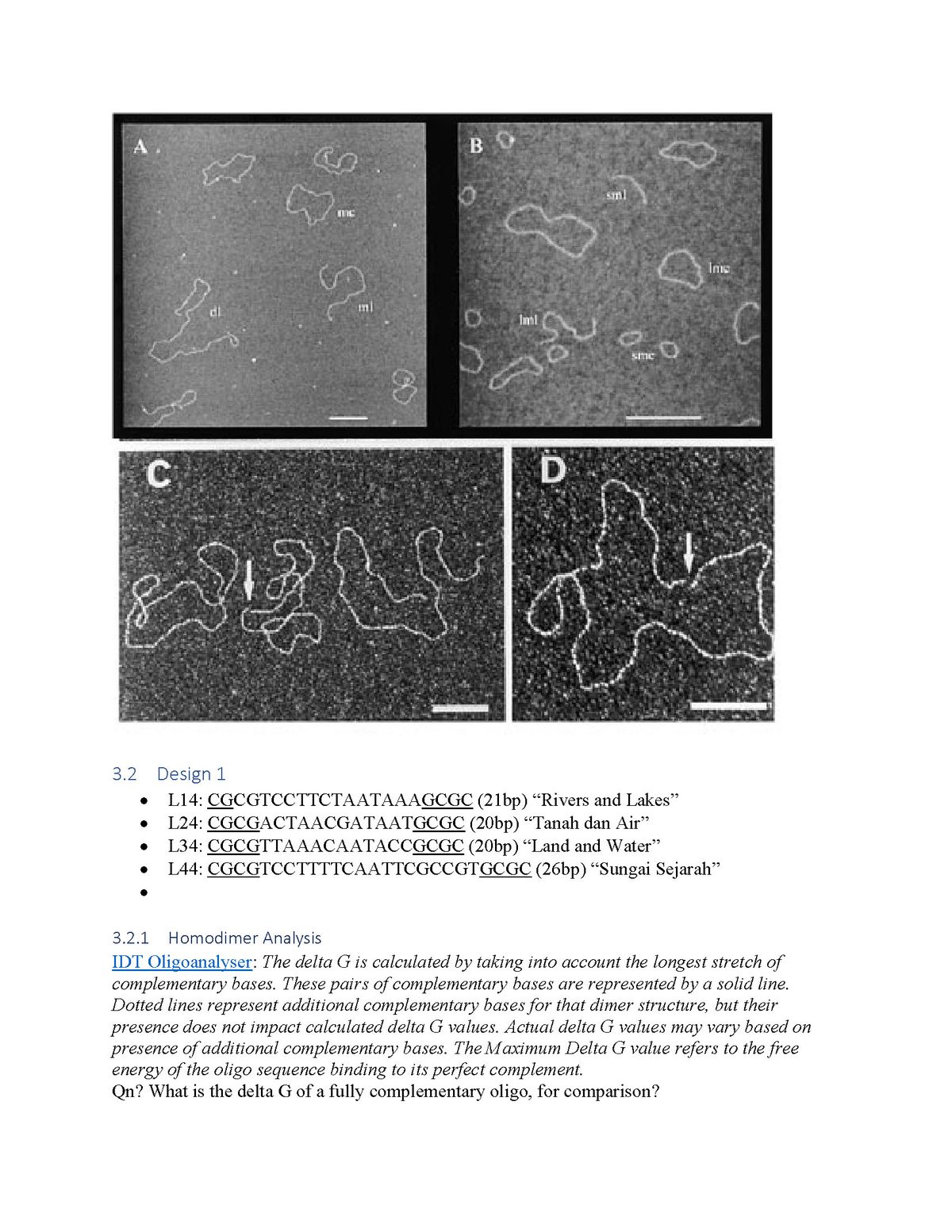
Four DNA strands, each carrying one line of the poem, write their own poem through molecular self-assembly, without my authorship. Eric’s team engineered the ends of the strands to make this possible. A moving image shows the writing on a microfluidic chip.
NTU Museum, Singapore, alongside I Want to Infect You With History
One poem, many bodies
Rivers and Lakes / Tanah dan Air / Land and Water / Sungai Sejarah. In 东邪西毒 I Want to Infect You With History, the poem takes molecular form: encoded into synthetic DNA and dispersed as mist. The poem’s beginnings reach back to 2012. Its words have moved through stone rubbings, my father’s handwriting, signal flags and a DNA-laced floor.
Earlier bodies of the poem
I stencilled the poem and its DNA sequence onto the floor with DNA-infused paint. The words entered the architecture as text and molecular inscription. Black—Hut, Encoded Motherland, 2024. Neka Art Museum, Bali. Live art, 8 August 2024. The poem became signal flags, its words translated through Morse code into coloured graphics. Path. 14, The River Flows Two Ways, 2023. Thailand Biennale, Chiang Rai. 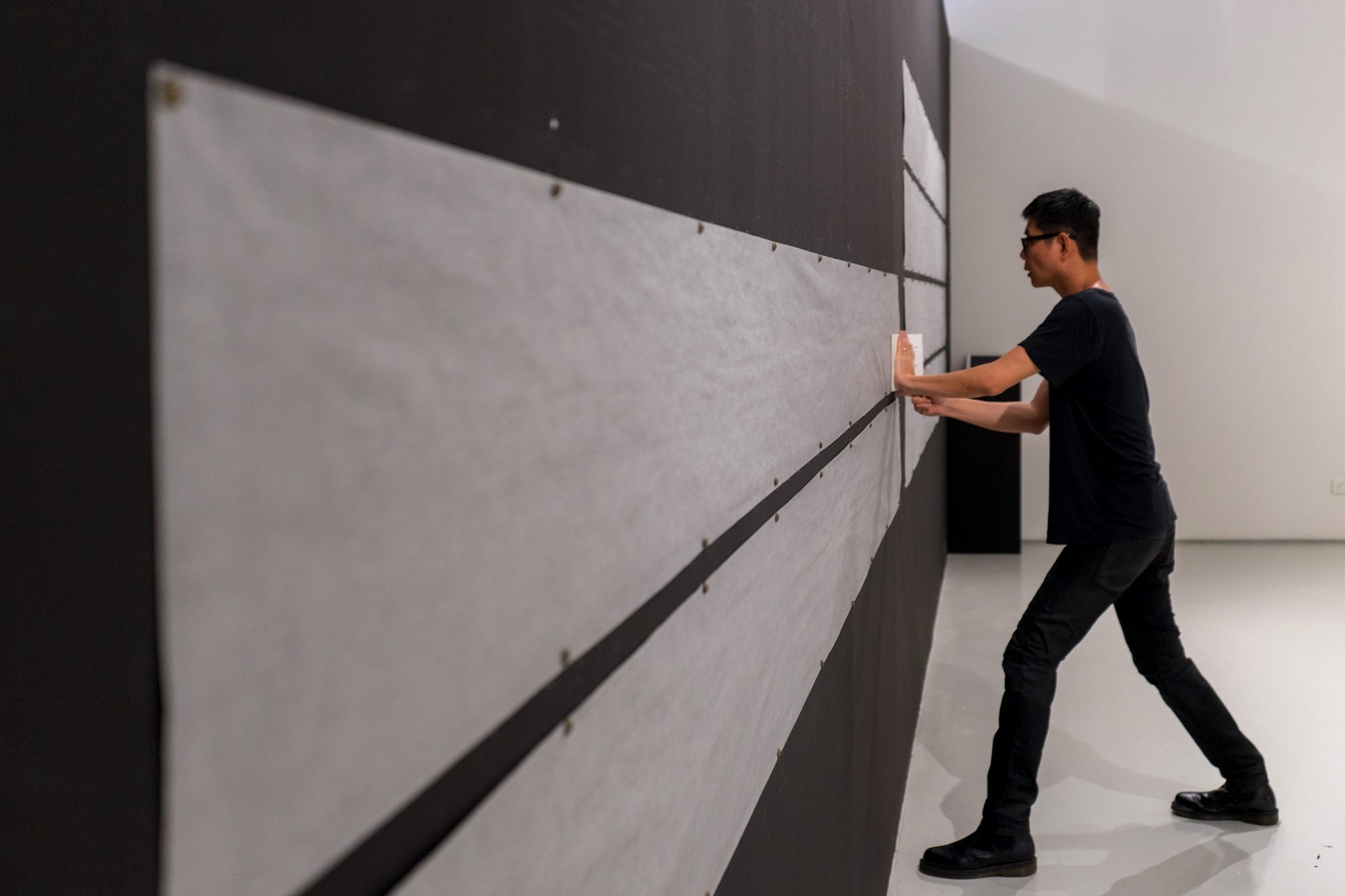
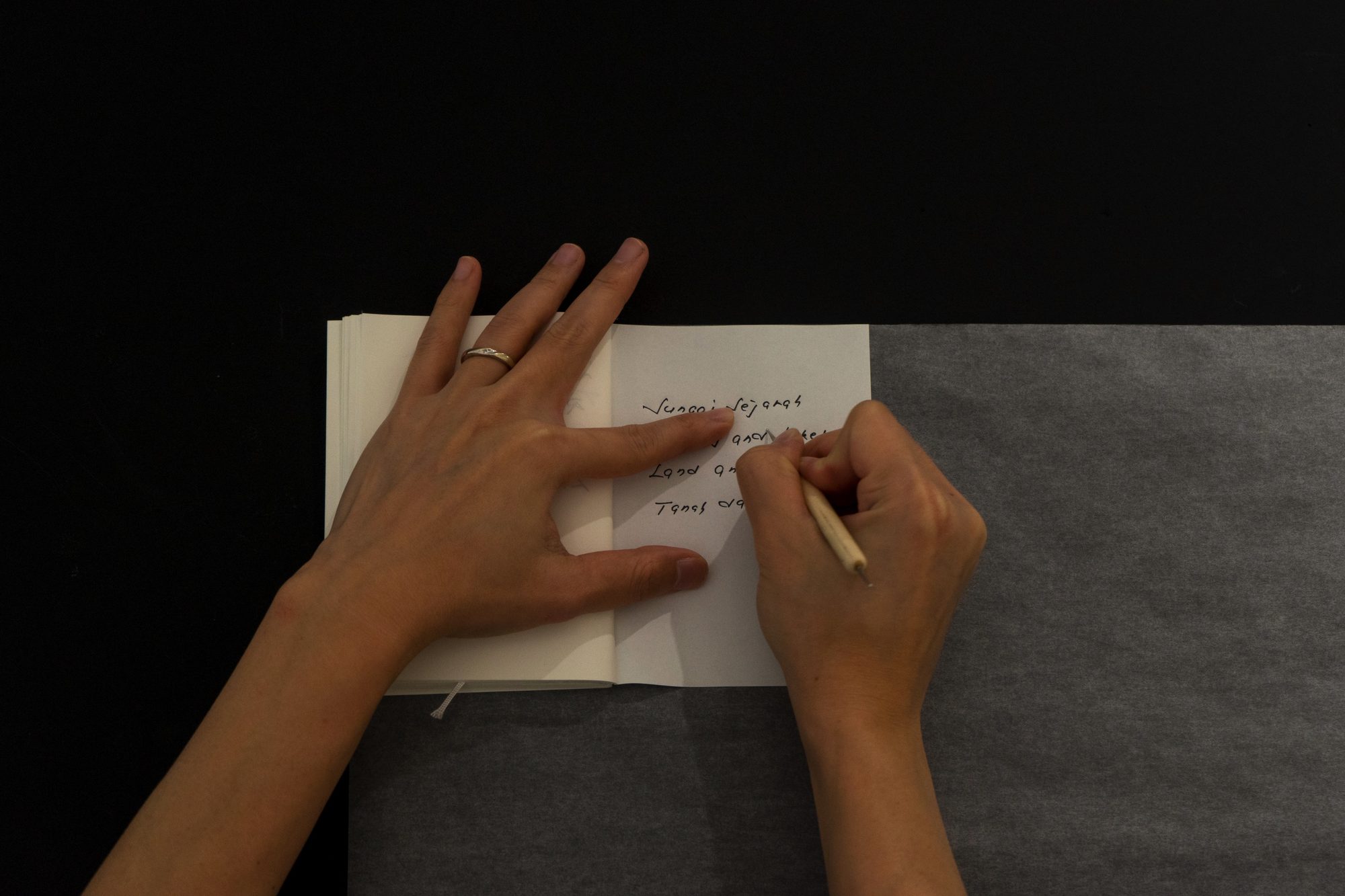
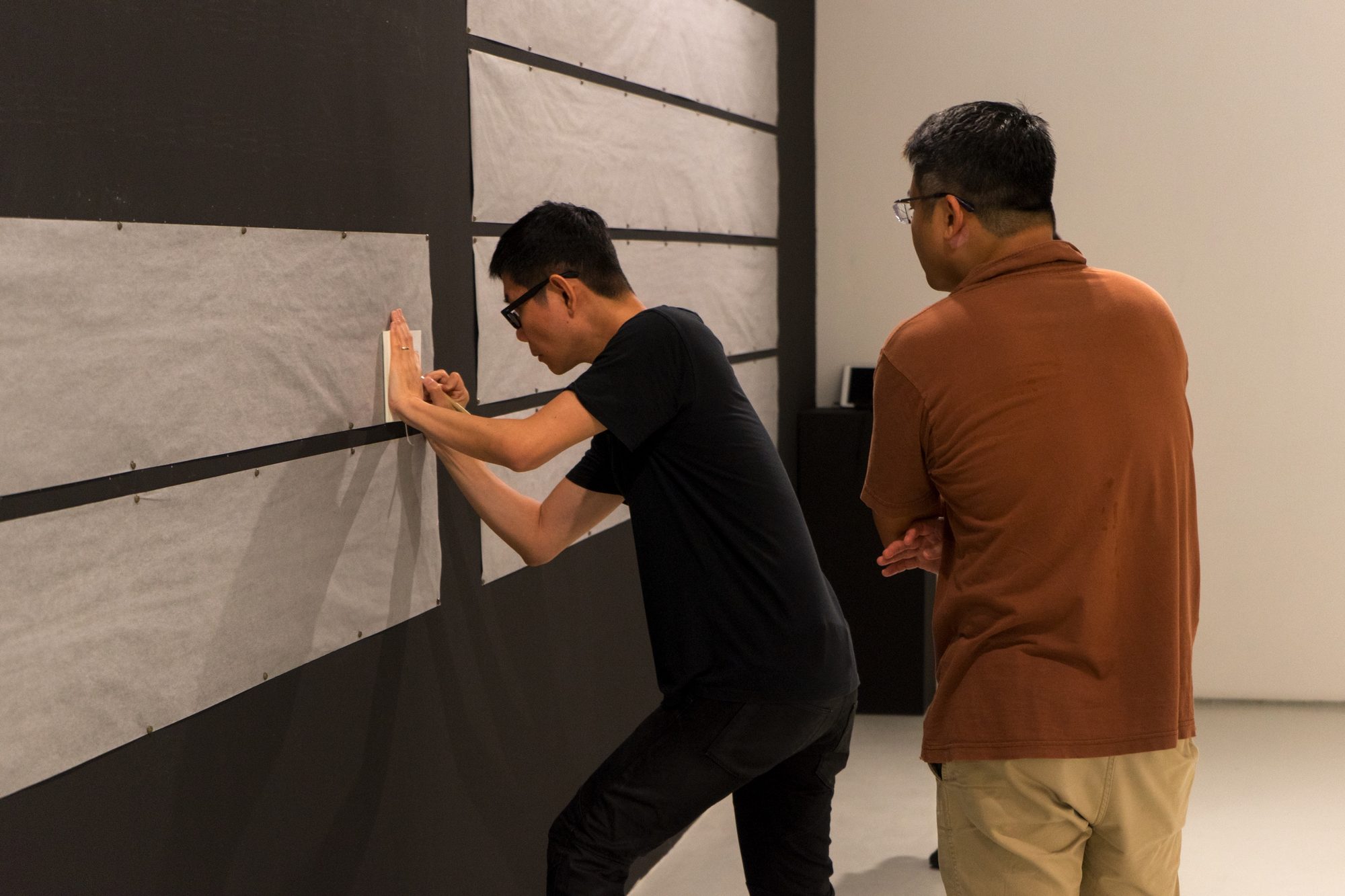
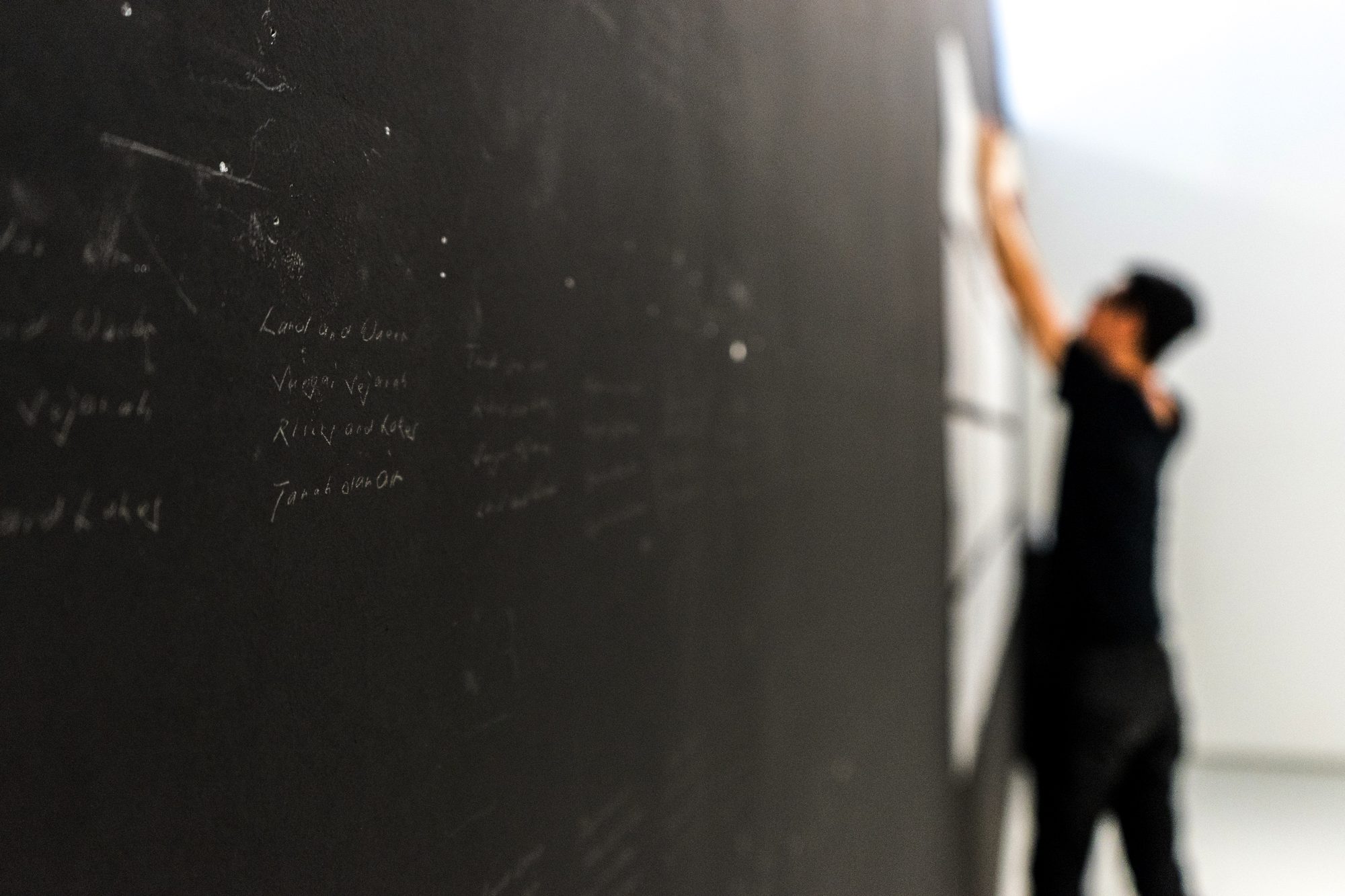

My father recorded all 24 permutations of the four lines. His readings played in random order through the gallery, voicing different versions of the poem as I repeatedly traced his handwriting, gradually covering the wall. Rivers and Lakes, 2018–2019. Durational live art. 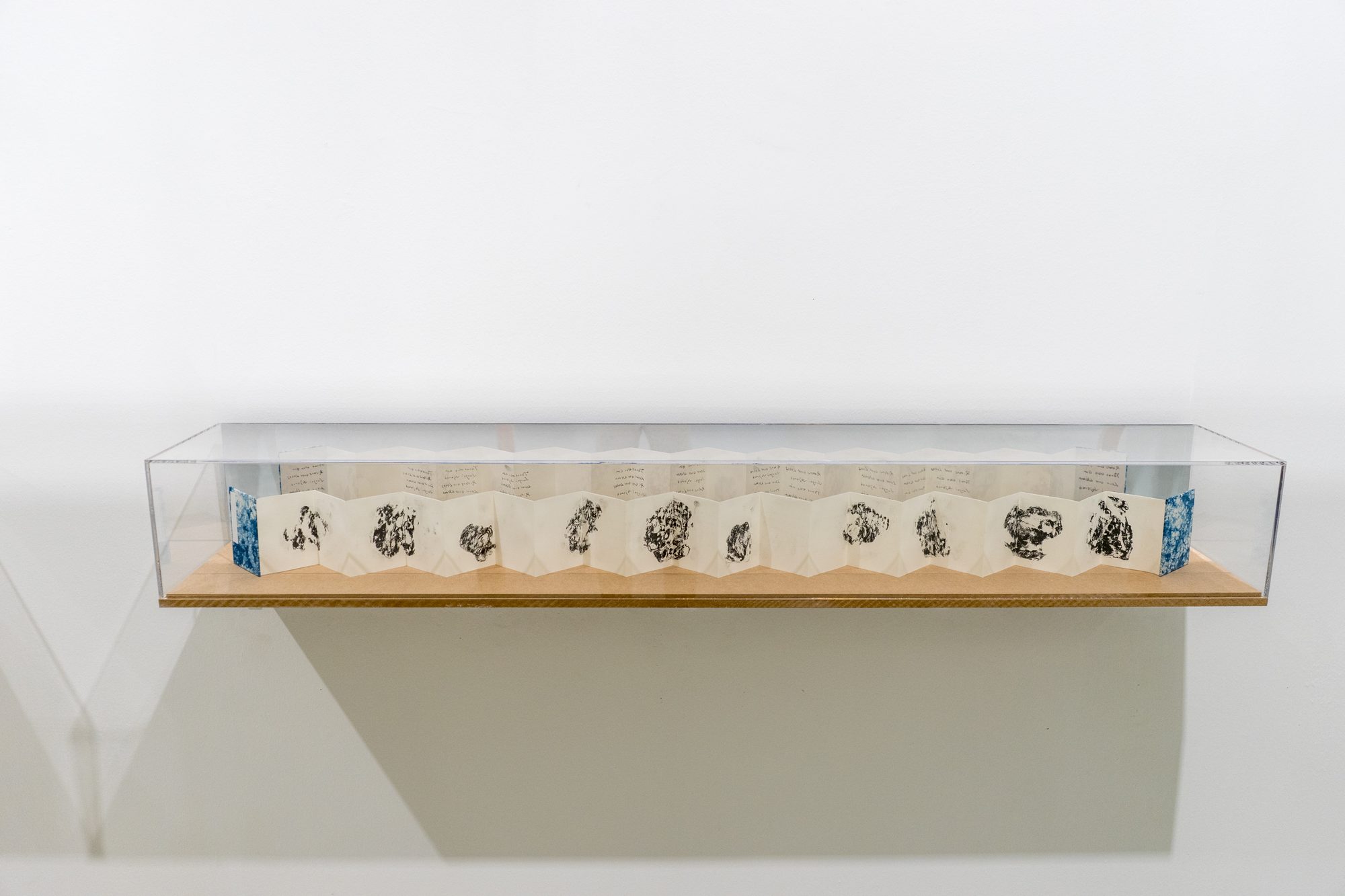
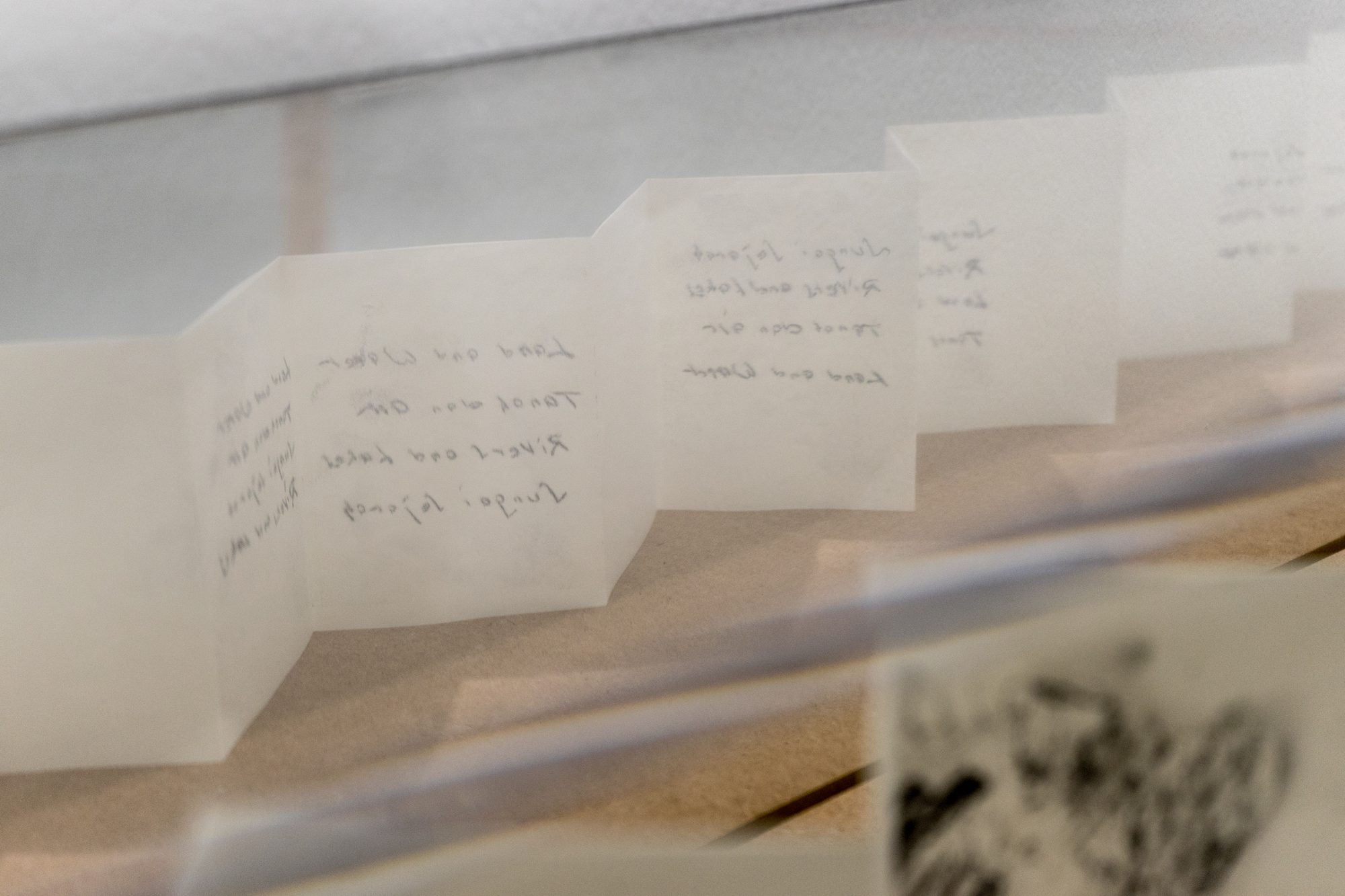
I traced the four lines in my father’s handwriting, carrying his gestures into a folded book. Stone Telling: Tanah dan Air (一下), 2018. Artist’s book. 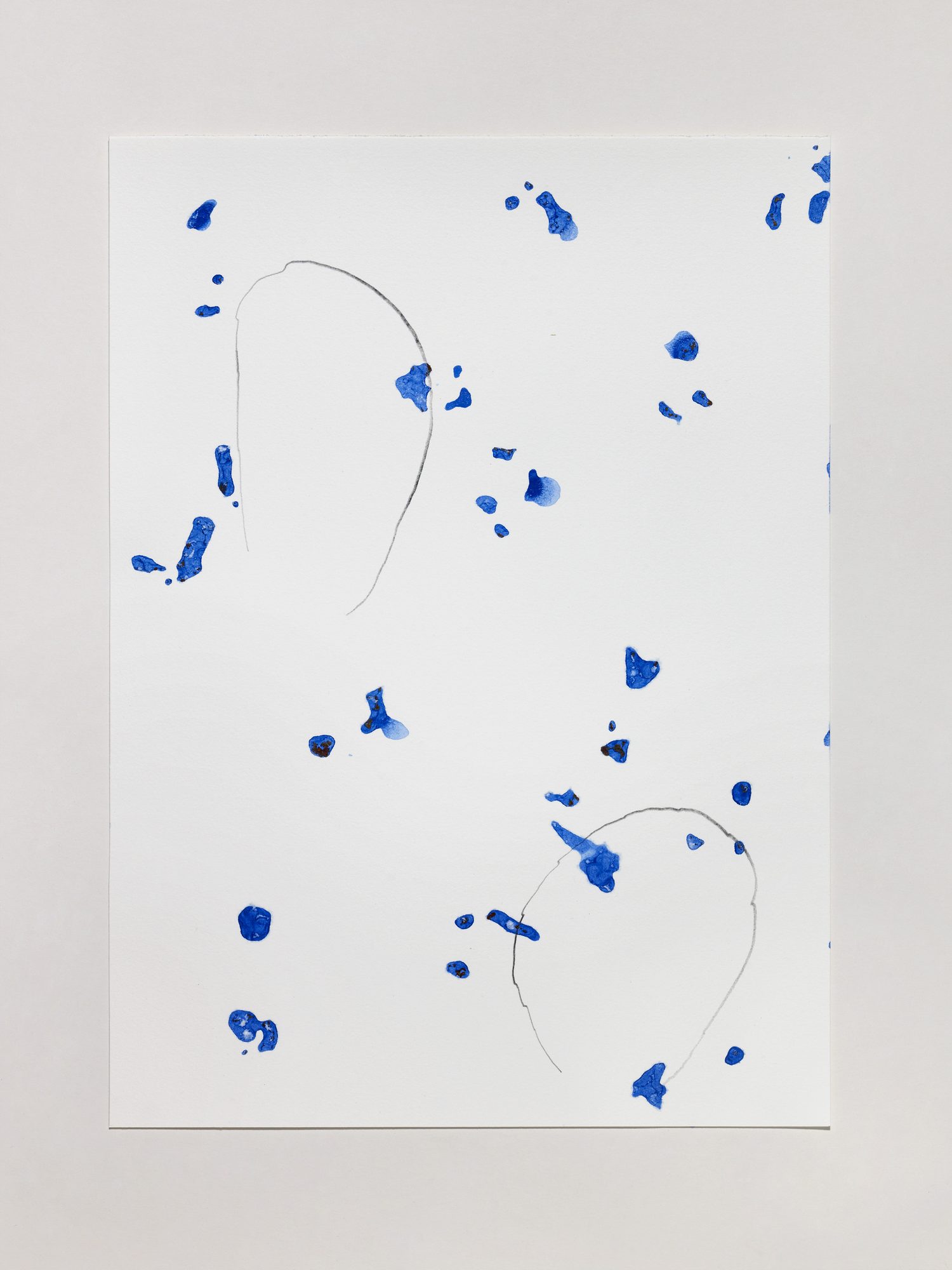
“Sungai, Sejarah” (“River, History” in Indonesian) first appeared as an artwork title, later becoming a line in the four-line poem. Sungai, Sejarah (sembilan puluh sembilan), 2012. Acrylic, stone flakes and graphite on paper.
Nanyang to Nusantara, and back
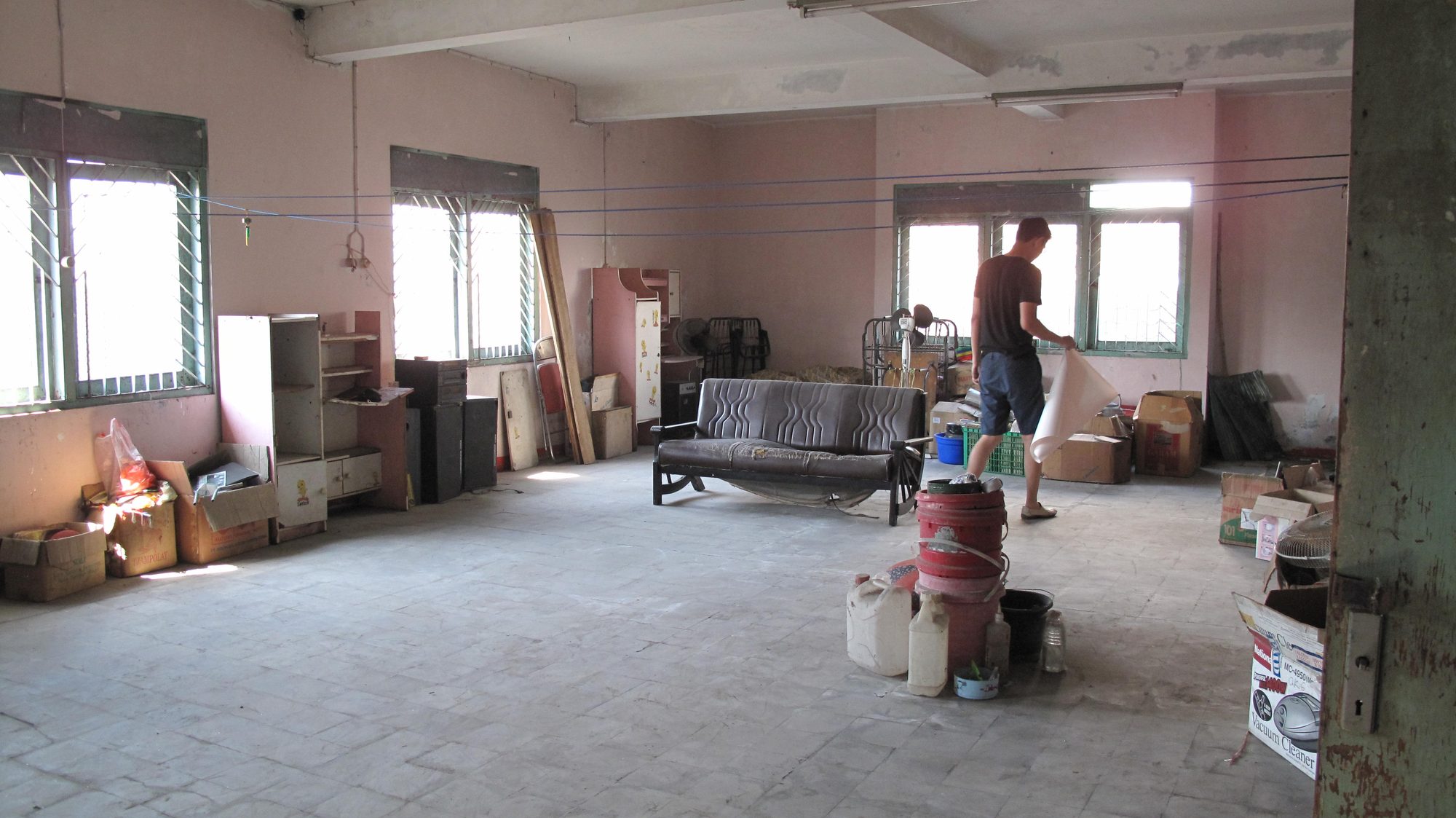
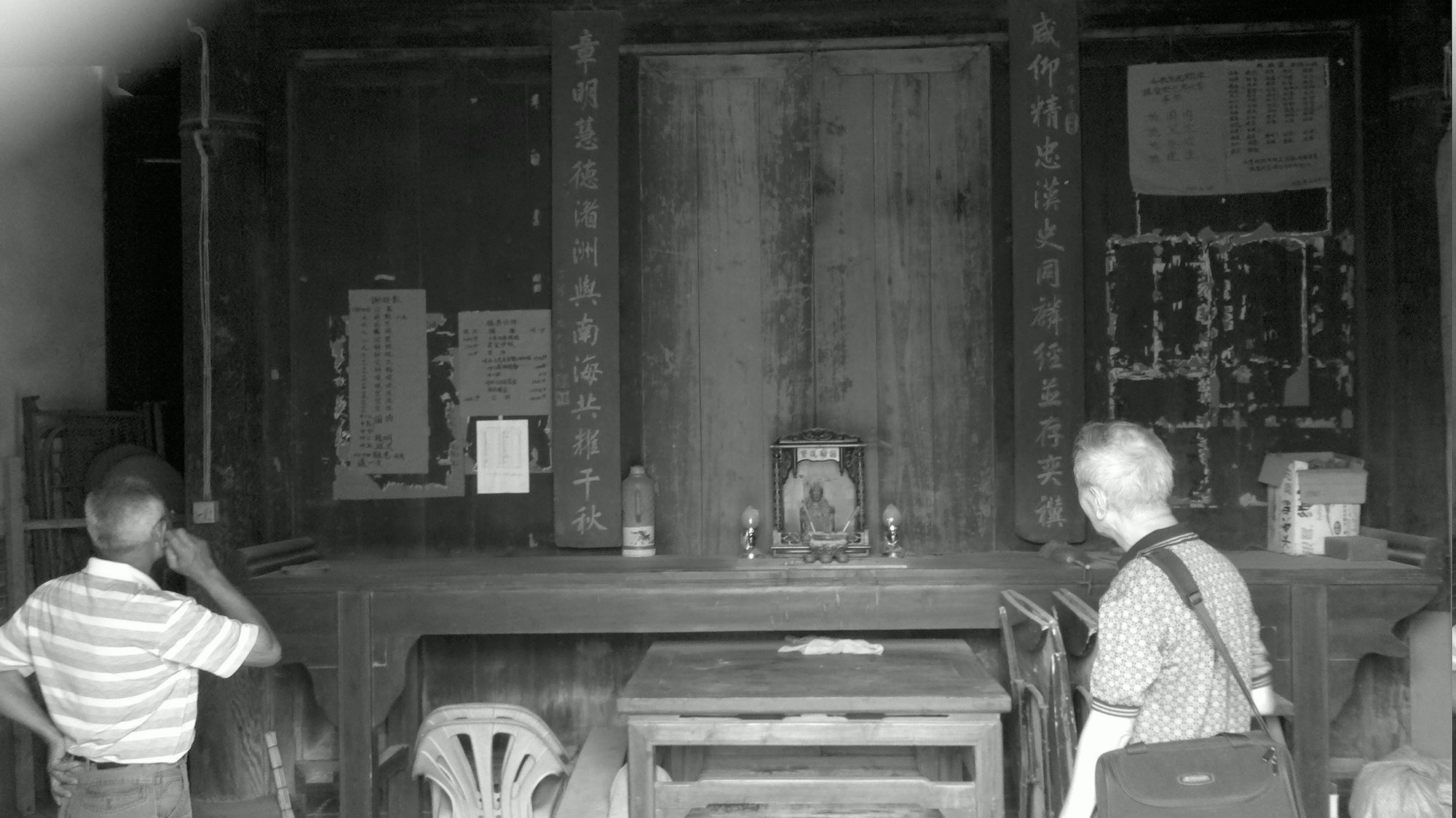
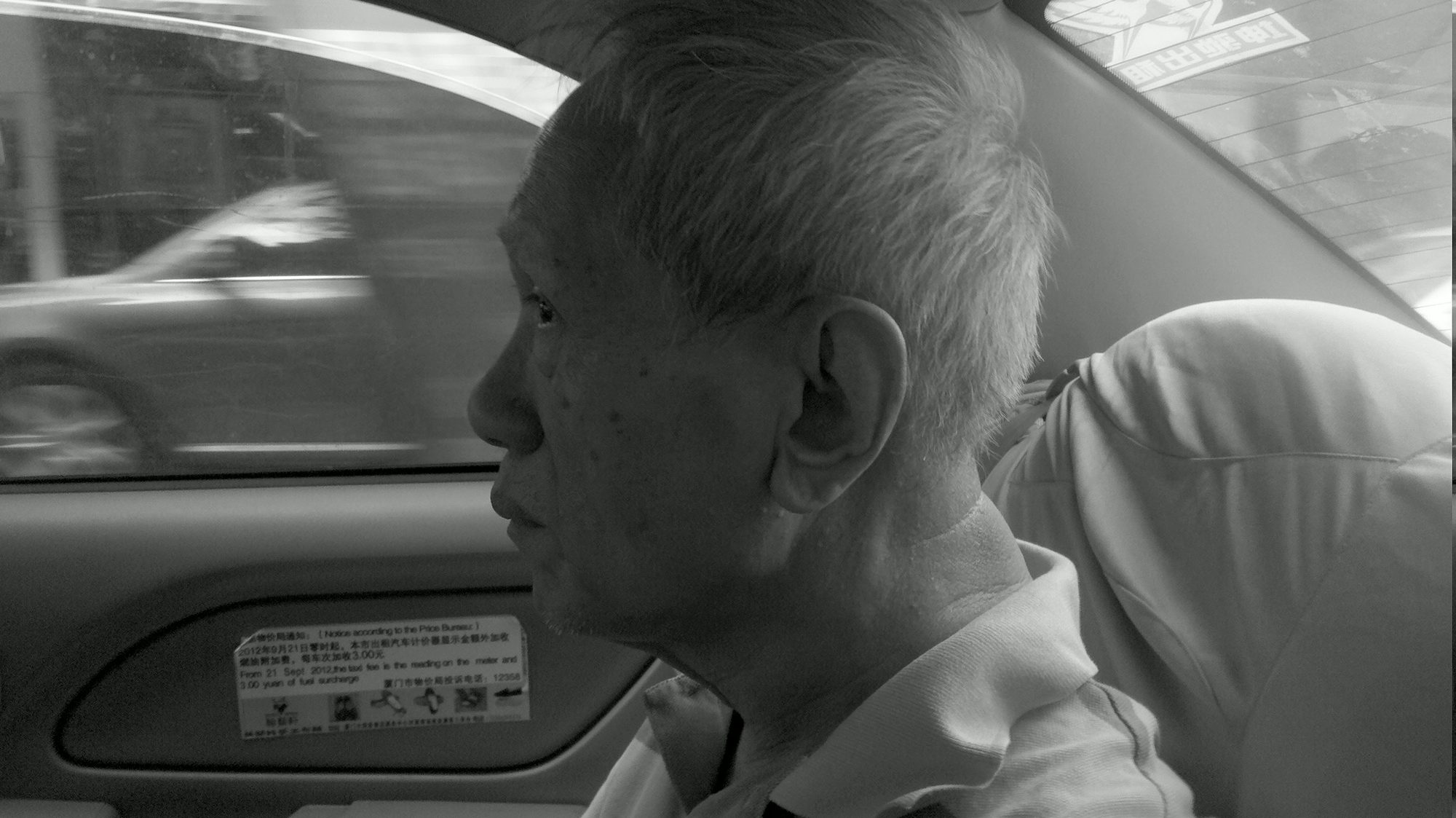
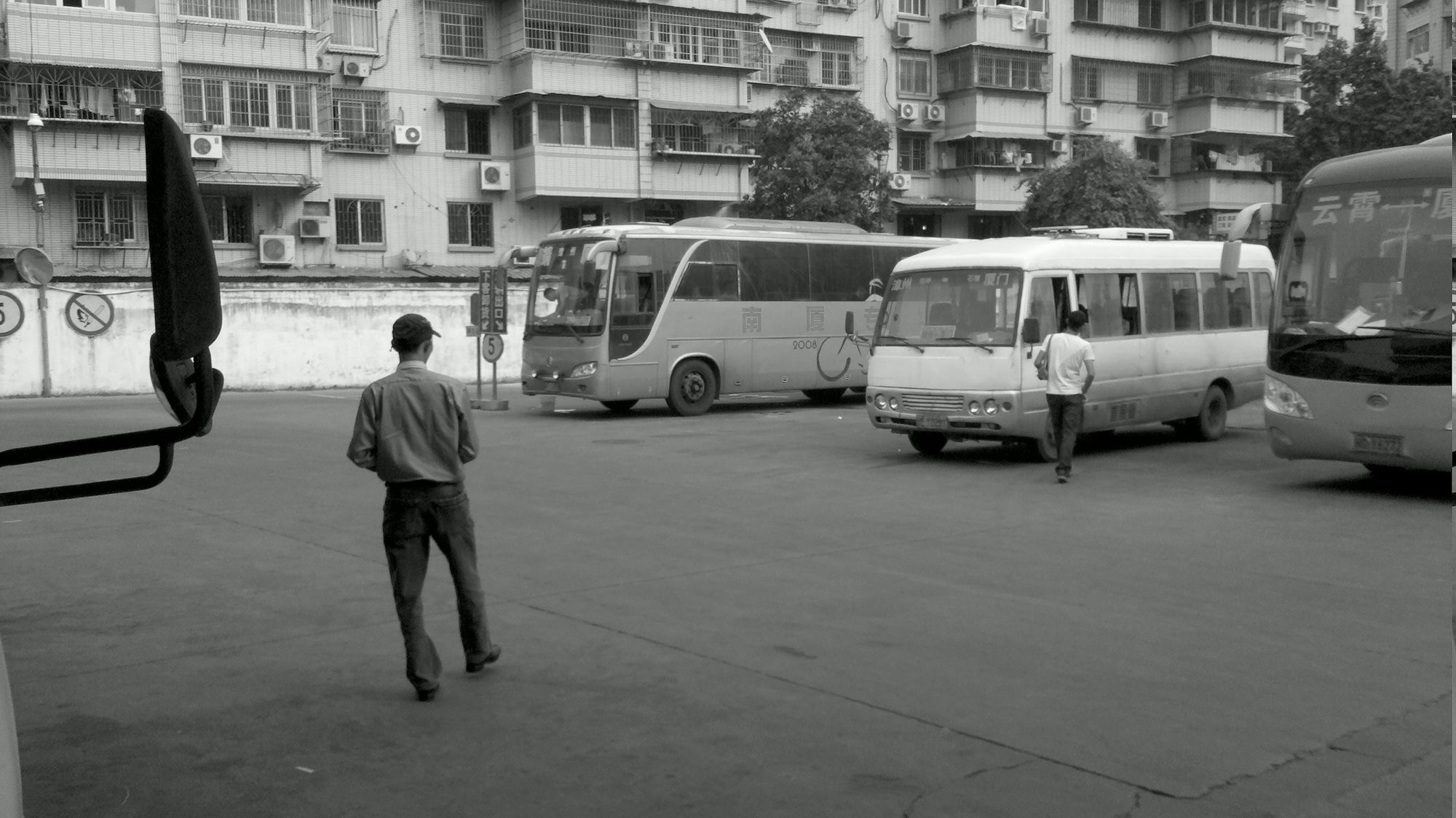
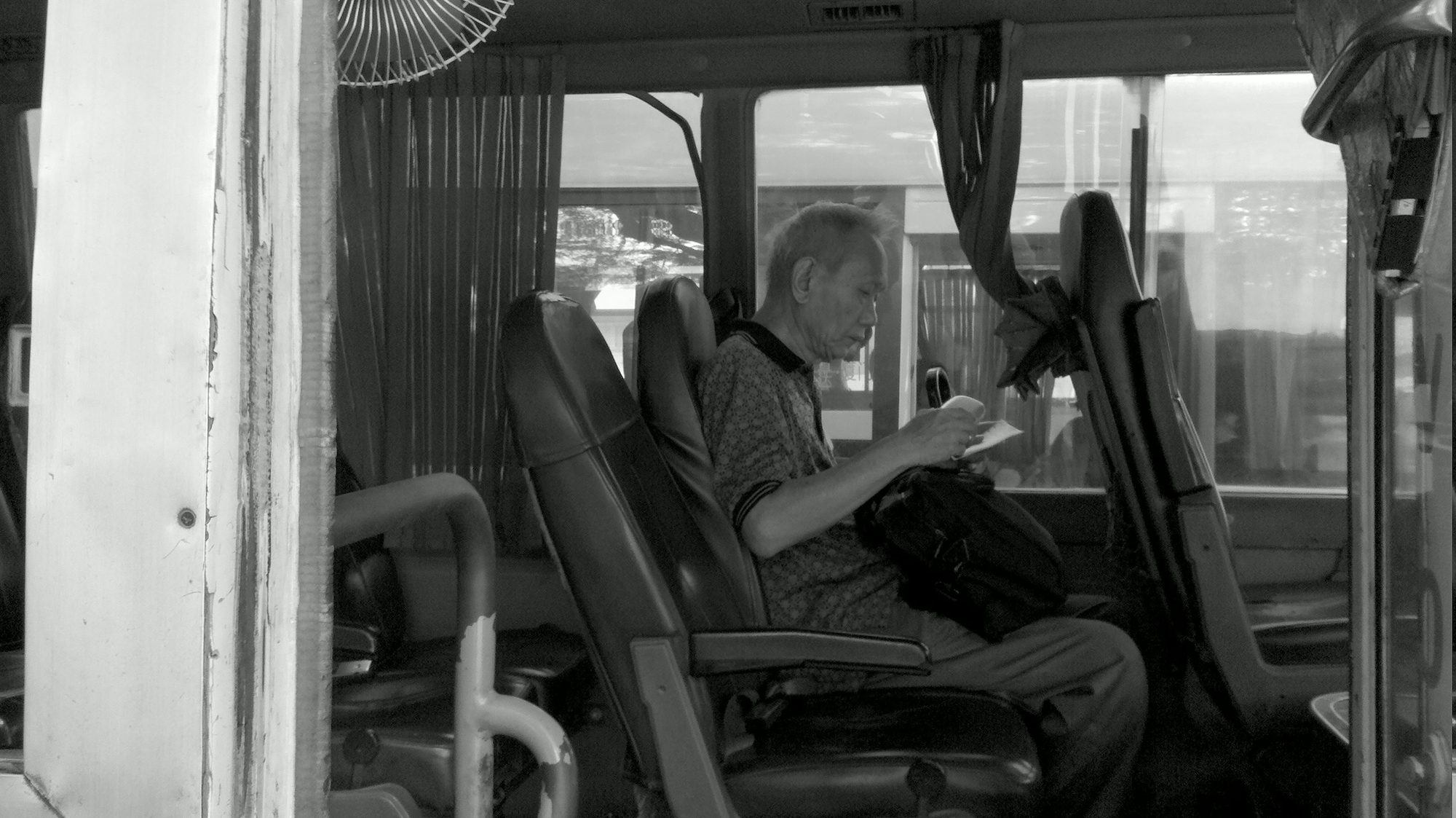
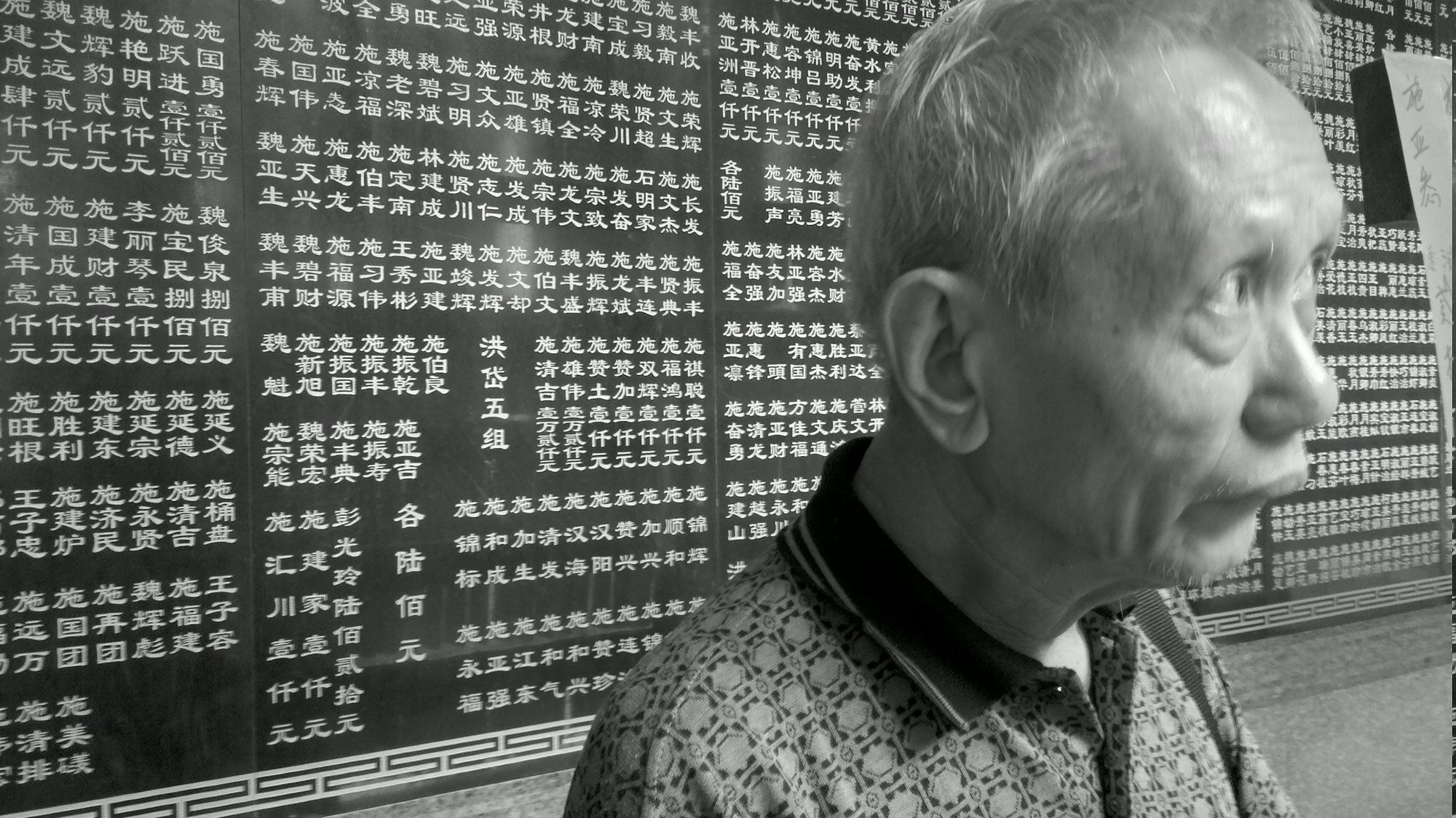
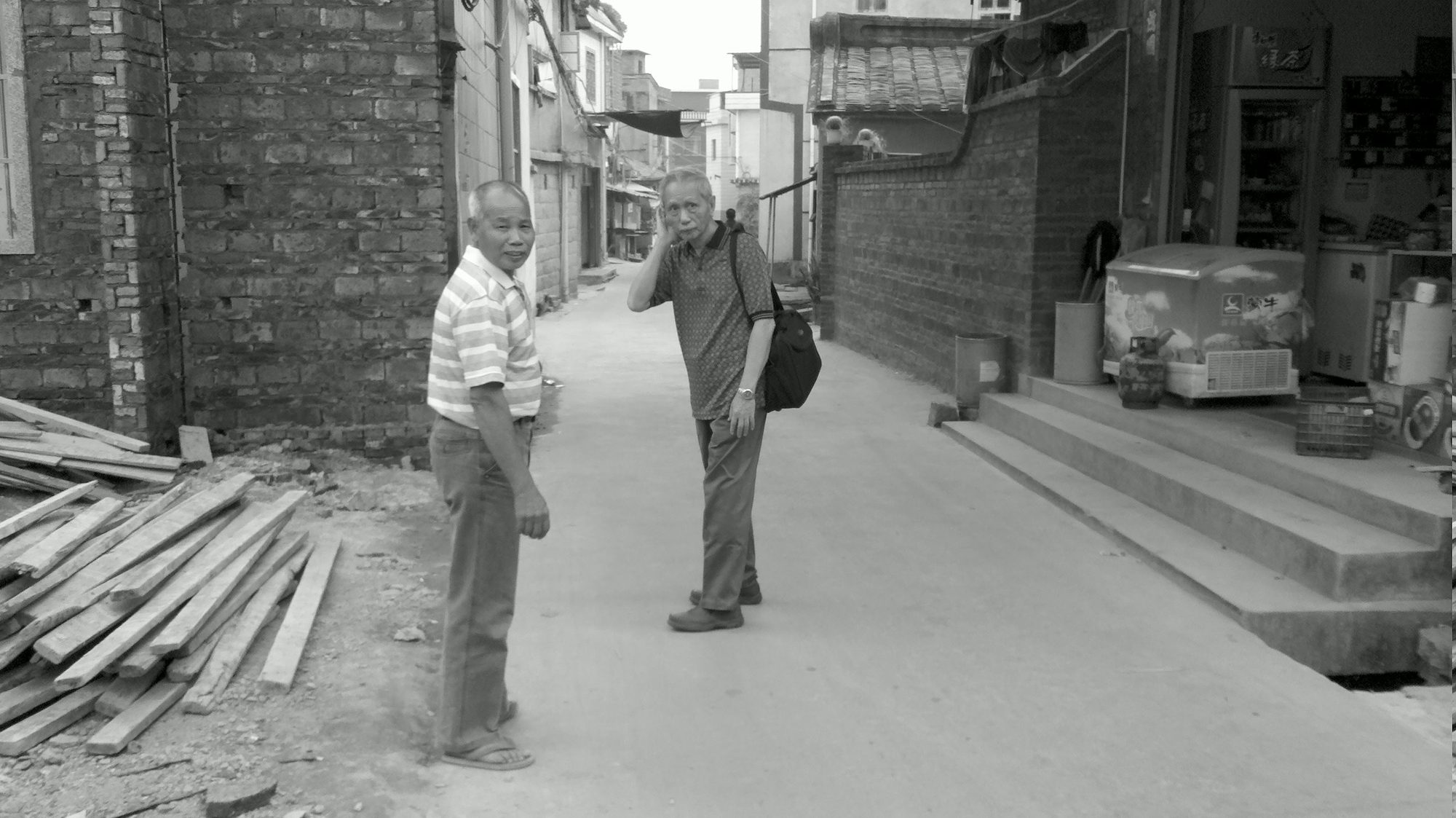
I was nine when I left Solo. Journeys to my childhood house, to my grandfather’s birthplace in Fujian where his own migration began, and to the sites where the violence against Chinese Indonesians is still marked.